
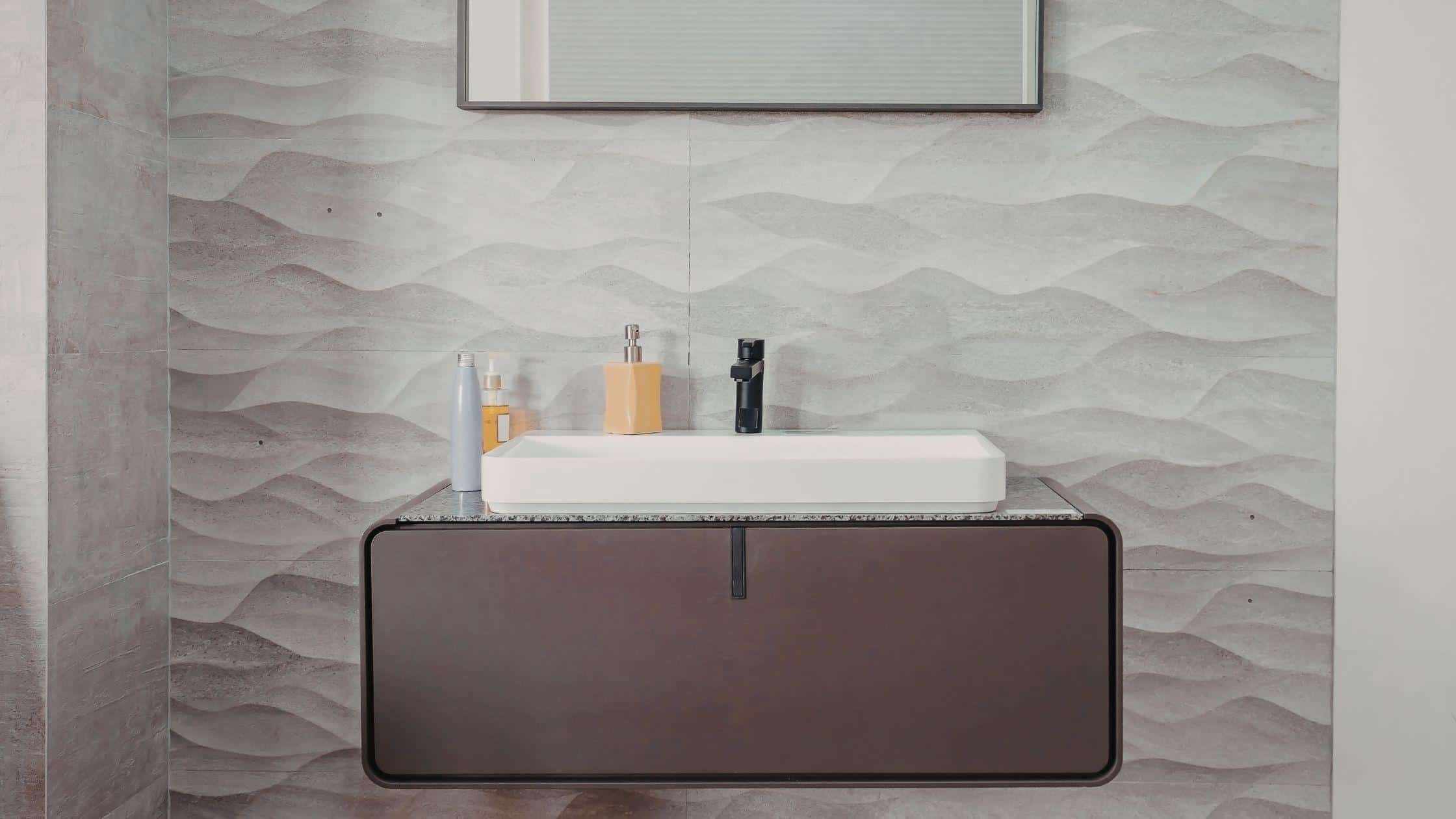
Modern bathroom vanities define the look, function, and feel of any bathroom remodel. The right vanity brings together storage, counter space, plumbing, and style in a single, cohesive piece. For homeowners investing in a high-end bathroom design, the vanity is one of the most important decisions in the entire project.
Bathroom vanities have evolved far beyond basic cabinets with a sink. Today’s options span a wide selection of floating designs, freestanding furniture-style pieces, and custom built-ins that match the architecture of the home. Materials range from honed marble to textured wood grain, and finishes on hardware and bathroom faucets set the tone for the entire space. Whether the goal is a serene primary suite retreat or a striking powder room, the vanity anchors the design.
Two Aspens approaches bathroom vanity selection as part of a complete design/build process. That means the vanity is not chosen in isolation. It is selected alongside tile, lighting, plumbing fixtures, and cabinetry to create a bathroom that functions as well as it looks. This guide covers the styles, materials, storage strategies, and design decisions that matter most in a luxury bathroom remodel.
What Are the Most Popular Modern Bathroom Vanity Styles?
Modern designs favor clean lines, minimal ornamentation, and a strong connection between form and function. In high-end bathroom remodels, the most requested styles fall into a few distinct categories, each with its own strengths depending on the layout and preferred style of the homeowner.
Floating Vanities
Wall-mounted or floating vanities sit off the floor, creating a sleek, open look that makes the bathroom feel larger. They work well in modern designs where visual lightness is a priority. Because the floor beneath them remains exposed, they are easier to clean and can visually expand a smaller space. Floating vanities require proper wall blocking during the framing stage, which is why coordinating this style early in the design/build process matters.
Quick tip: Wall-mounted vanities require blocking installed in the wall framing stage. Planning this detail early in the design/build process avoids costly retrofits later.
Freestanding Furniture-Style Vanities
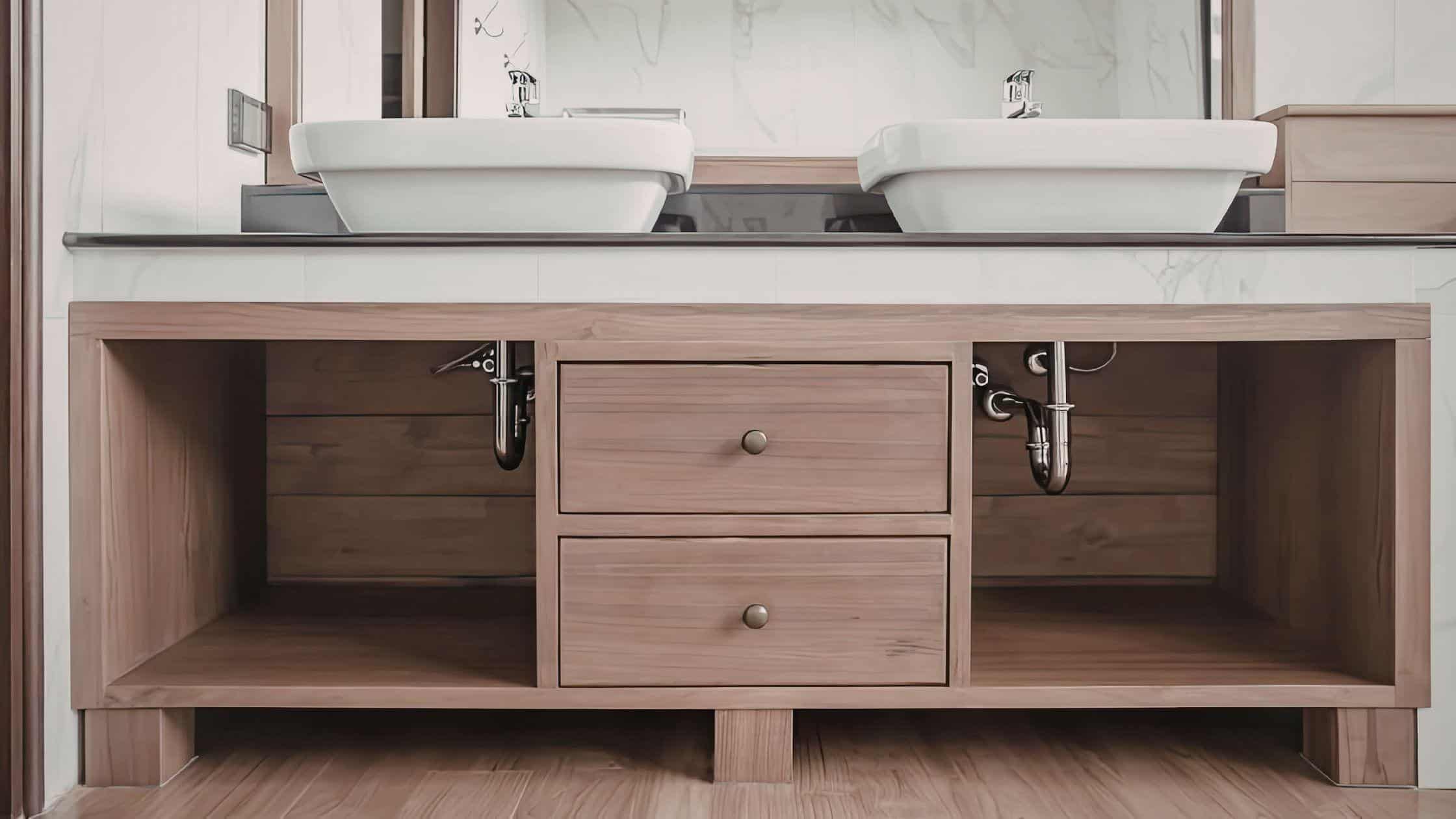
Freestanding vanities bring a furniture quality to the bathroom. They often feature legs, decorative feet, or apron fronts that reference traditional cabinetry while still feeling fresh in a modern bathroom. In a primary suite or large guest bathroom, a freestanding piece can function as the focal point of the room. The key is choosing one that fits the scale of the space without overwhelming it.
Custom Built-In Vanities
For homeowners who want a specific size, configuration, or finish that is not available in a standard collection, a custom built-in vanity is the answer. Custom pieces integrate directly with the wall, floor, and surrounding cabinetry to create a bathroom that looks intentional from every angle. Two Aspens designs and builds custom vanity configurations as part of full bathroom remodel projects, ensuring the piece fits the space perfectly and reflects the homeowner’s unique vision.
Which Materials Work Best for Bathroom Vanities?
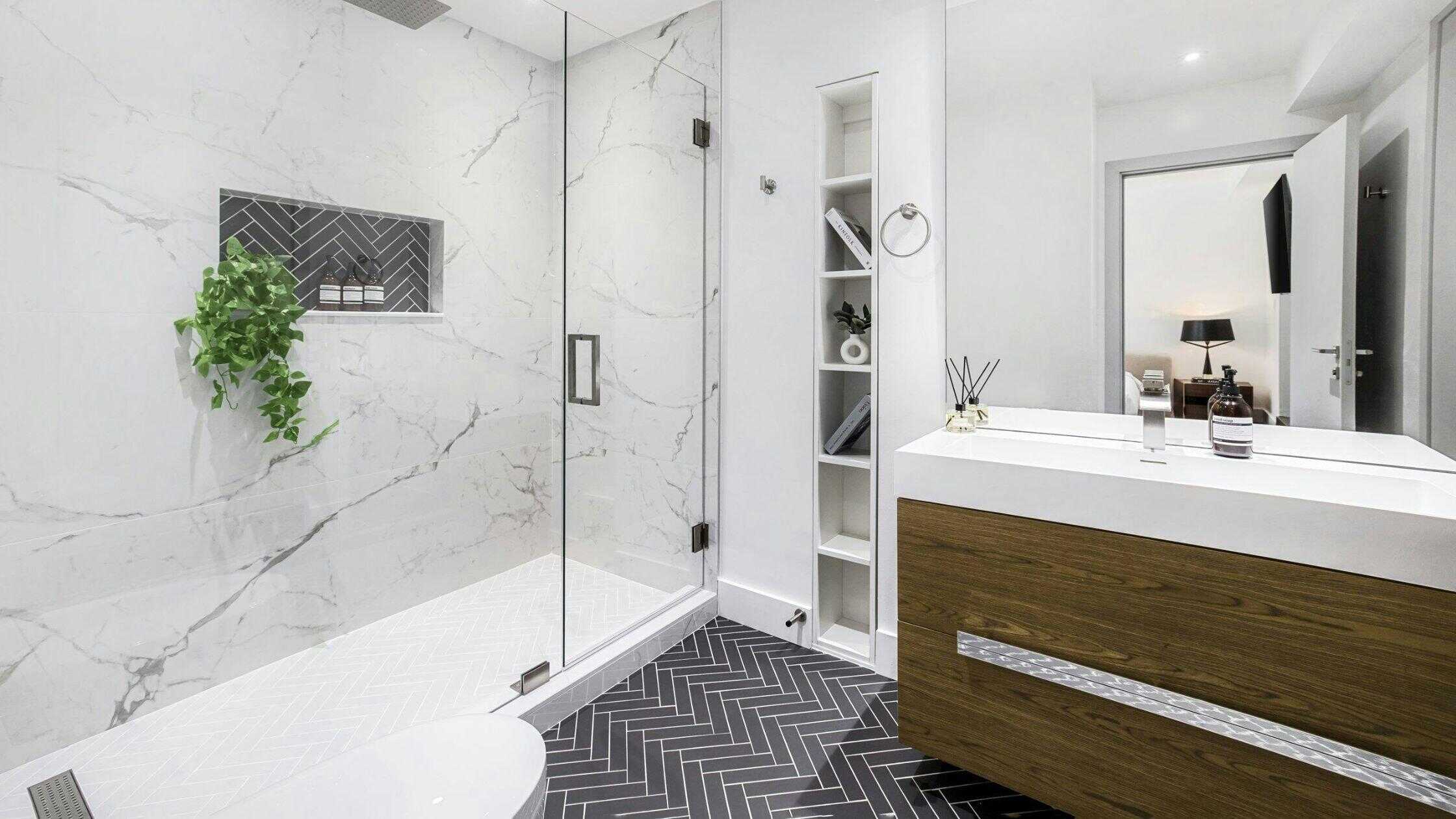
Material selection drives both the aesthetic and the long-term functionality of a vanity. In luxury bathroom design, the choice of countertop, cabinet material, and hardware finish all need to work together. The following materials represent what high-end bathroom remodels in the Boulder area most often feature.
Countertop materials:
- Honed or polished marble for a classic, refined surface that pairs with both warm and cool palettes
- Quartzite for a harder, more durable stone option with natural veining similar to marble
- Engineered quartz for consistent patterning, easier maintenance, and a wide range of finishes
- Porcelain slab for a modern, low-maintenance surface that can replicate stone or concrete looks
- Concrete for an industrial, artisan quality that is unique and highly customizable
Did you know? Quartzite is a naturally occurring metamorphic stone that is harder than marble, making it more resistant to etching from everyday bathroom products while still offering dramatic veining patterns.
Cabinet materials also matter for longevity in a humid environment. Solid wood with a sealed finish, moisture-resistant MDF wrapped in a painted or laminate finish, and thermofoil are all practical options. The goal is a cabinet construction that holds up to daily use while matching the overall design direction of the bathroom. According to the National Kitchen and Bath Association, moisture resistance and finish quality are the top considerations when selecting cabinetry for wet areas.
How Do Bathroom Vanities Solve Storage Problems?
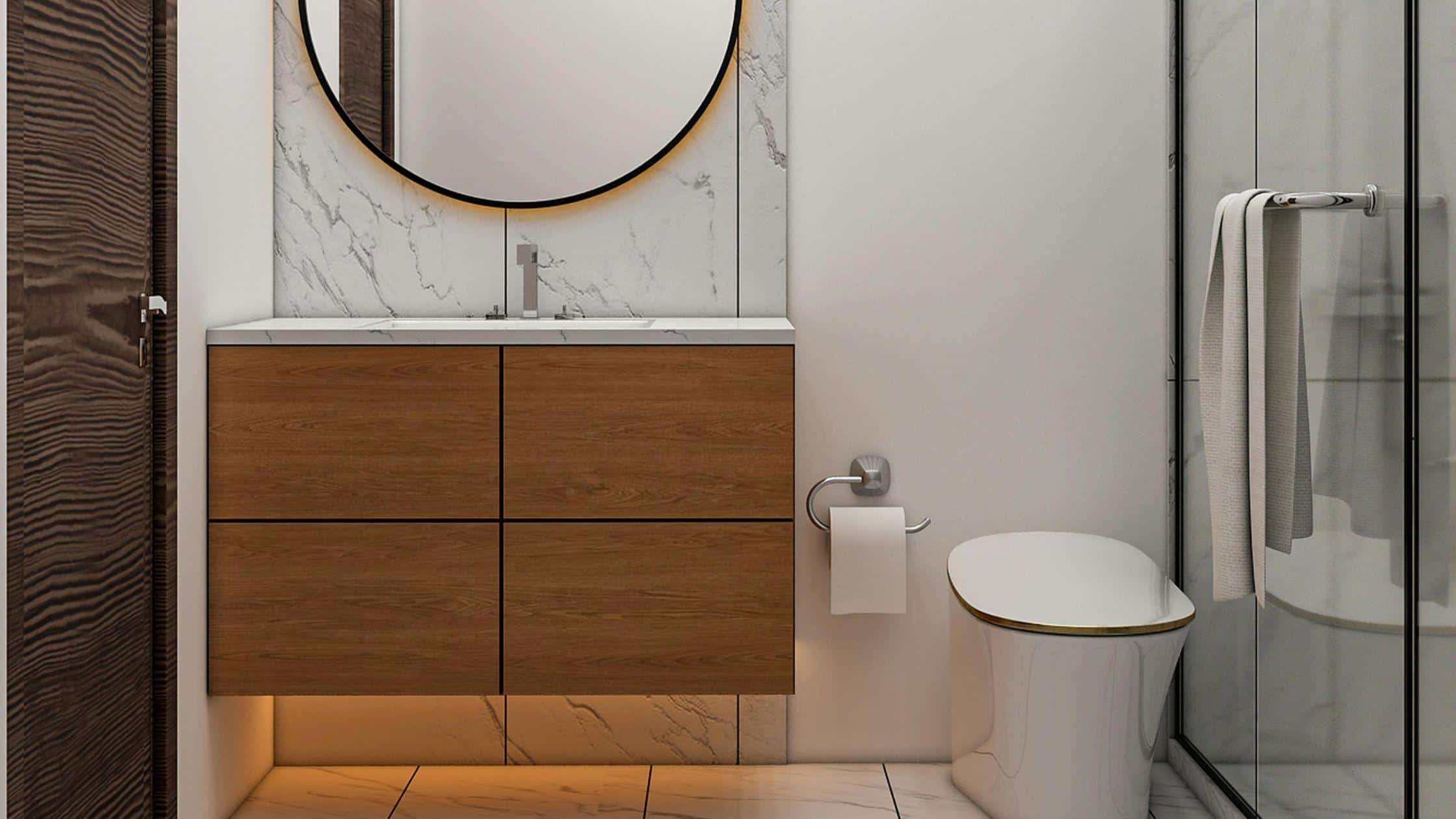
Storage is where bathroom design often falls short, and a well-designed vanity is the most practical solution. The challenge is balancing open counter space with enough concealed storage to keep the bathroom feeling clean and organized. In a luxury bathroom remodel, storage needs to be both functional and invisible.
The most effective vanity storage configurations include deep drawers for bulky items, narrow pull-out organizers for smaller accessories, and integrated electrical outlets inside drawers for charging devices or styling tools. Double vanities in a primary bathroom suite give each person adequate counter space and their own storage zone, reducing morning conflicts and keeping the surface clear.
Quick tip: Soft-close drawer hardware is standard in high-end vanity builds. It protects the cabinet finish, reduces noise, and lasts longer than standard slides under daily use.
When the bathroom layout includes a powder room or smaller guest bath, storage strategy shifts. A powder room vanity typically prioritizes visual impact over storage capacity, since it sees less daily use. A pedestal sink or small floating vanity with a single drawer keeps the space feeling open while still providing practical functionality for guests. For more ideas on how to approach guest bath layouts, explore the team’s guest bathroom design ideas for inspiration on maximizing smaller spaces.
What Should You Know About Bathroom Faucets and Hardware?
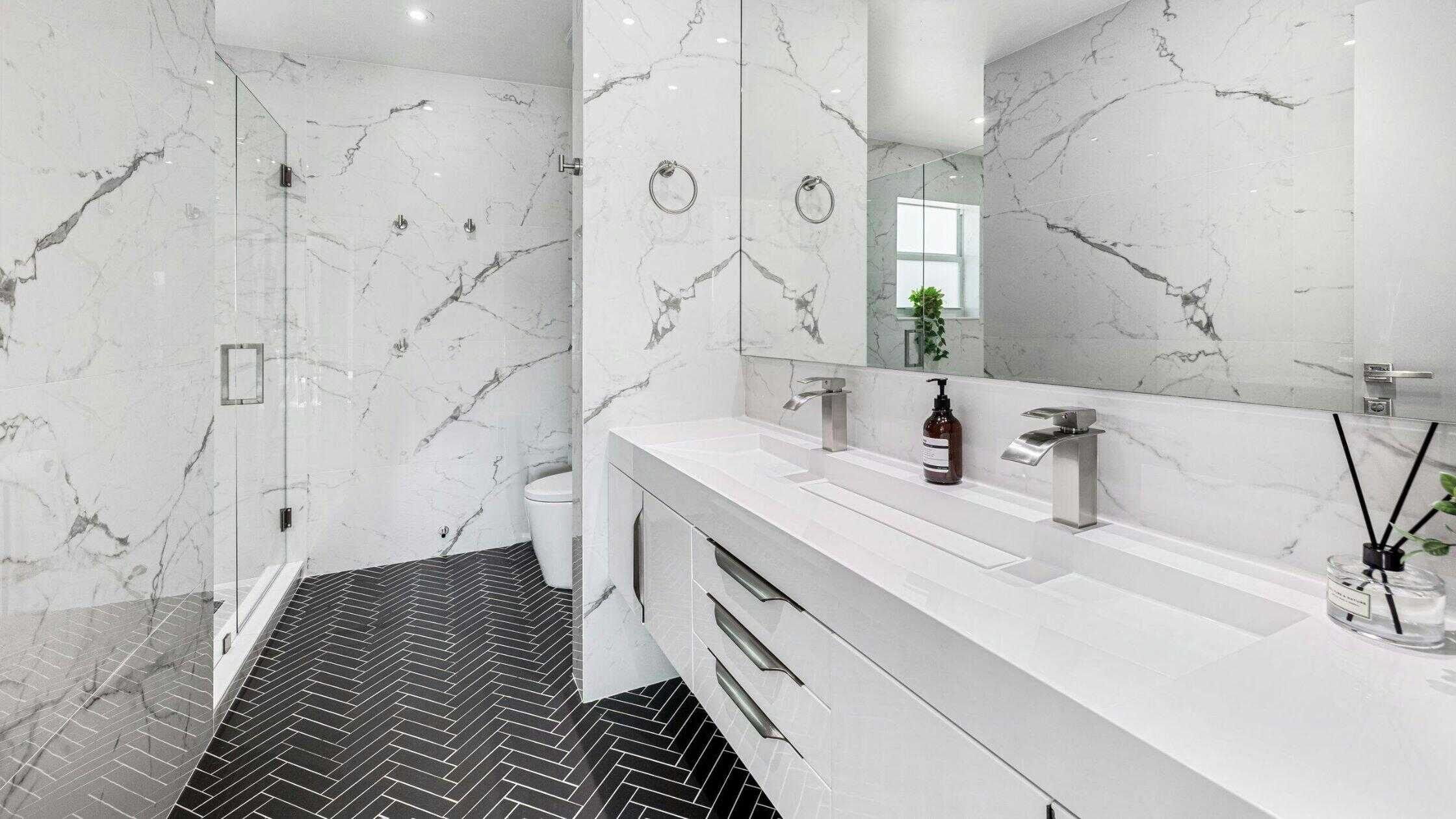
Bathroom faucets and hardware finish the vanity design and carry more visual weight than most homeowners expect. A beautifully constructed vanity with mismatched or low-quality bathroom faucets will undercut the entire look. In high-end bathroom design, fixtures and hardware need to match in finish and proportional scale.
Popular hardware finishes for modern bathroom designs include matte black, unlacquered brass, brushed nickel, and polished chrome. Each finish creates a different mood. Matte black reads as graphic and contemporary. Unlacquered brass is warm and patinas over time for a lived-in look. Brushed nickel sits in a neutral middle ground that works with a wide range of palettes. The right choice depends on the overall direction of the bathroom and what other metals appear in the space, including towel bars, light fixtures, and shower hardware.
When choosing bathroom faucets for a double vanity, it is worth considering the following in order of importance:
- Finish consistency with other plumbing fixtures and hardware in the bathroom
- Spout height and reach relative to the sink basin size and depth
- Handle style (single lever versus widespread) based on ease of use and counter space available
- Water efficiency ratings for code compliance and conservation
- Brand quality and warranty coverage to protect the investment over time
How to Choose from a Vanity Collection for Your Bathroom Design
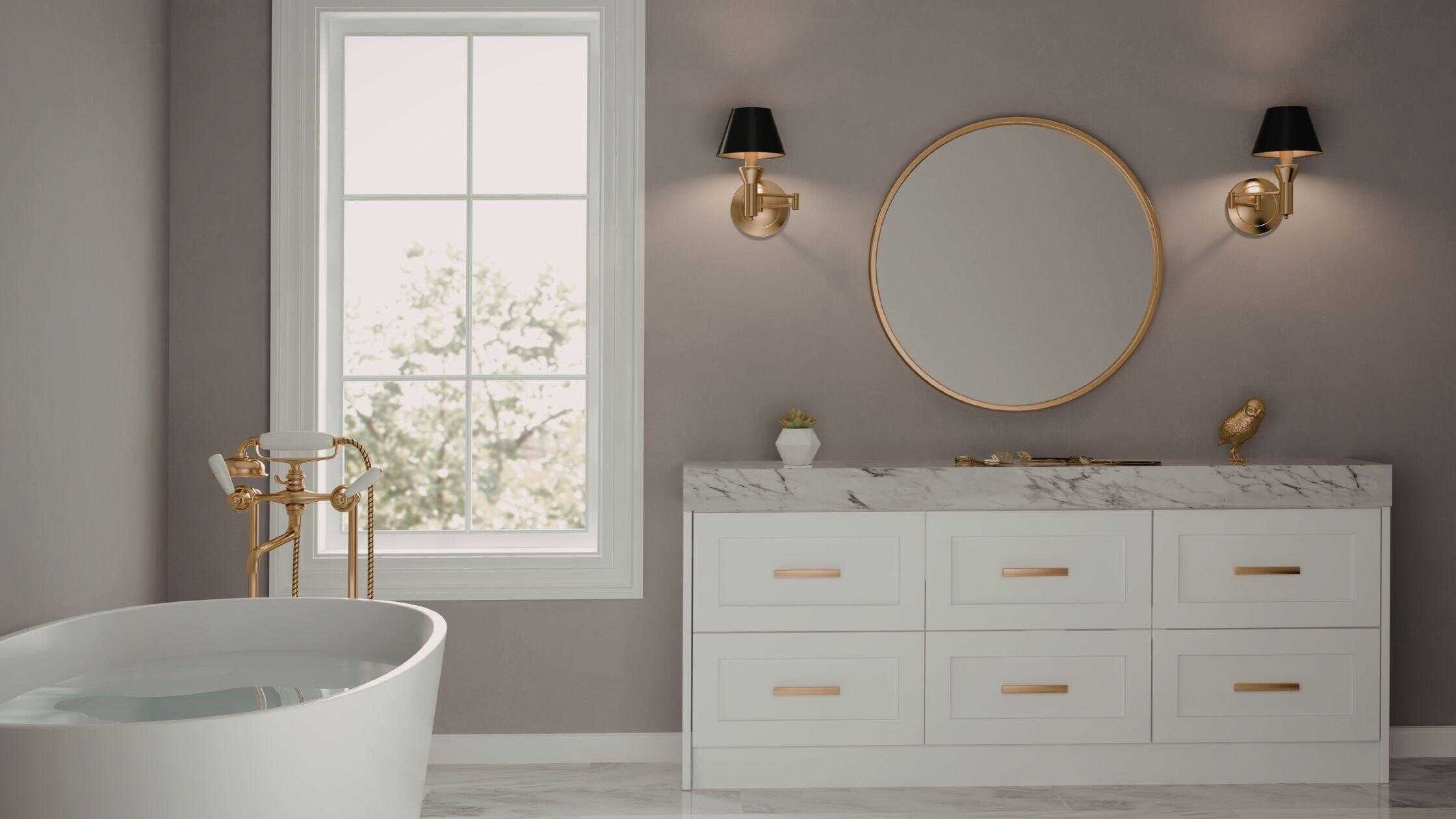
Selecting from a vanity collection can feel overwhelming given the range of options available. The key is to approach the decision by eliminating options that do not fit the non-negotiable constraints of the space first: size, plumbing rough-in location, and the number of sinks required. Once those variables narrow the field, the aesthetic decisions become much easier.
When working with Two Aspens on a design/build bathroom remodel, homeowners explore options through a structured selection process. The design team presents curated choices that match the project’s direction rather than presenting hundreds of items without context. This approach saves time and ensures every piece in the final design works together. Whether the goal is a minimal, tone-on-tone palette or a bold statement with contrasting materials, the vanity collection choices get filtered to what actually fits.
For master bathroom projects, the vanity selection often connects to a broader set of decisions around shower tile, flooring, and lighting. The team’s master bathroom ideas resource offers a deeper look at how all of these elements come together in a primary suite remodel, with examples of how vanity selection anchors the overall design.
What Defines a Modern Bathroom in a Luxury Remodel?
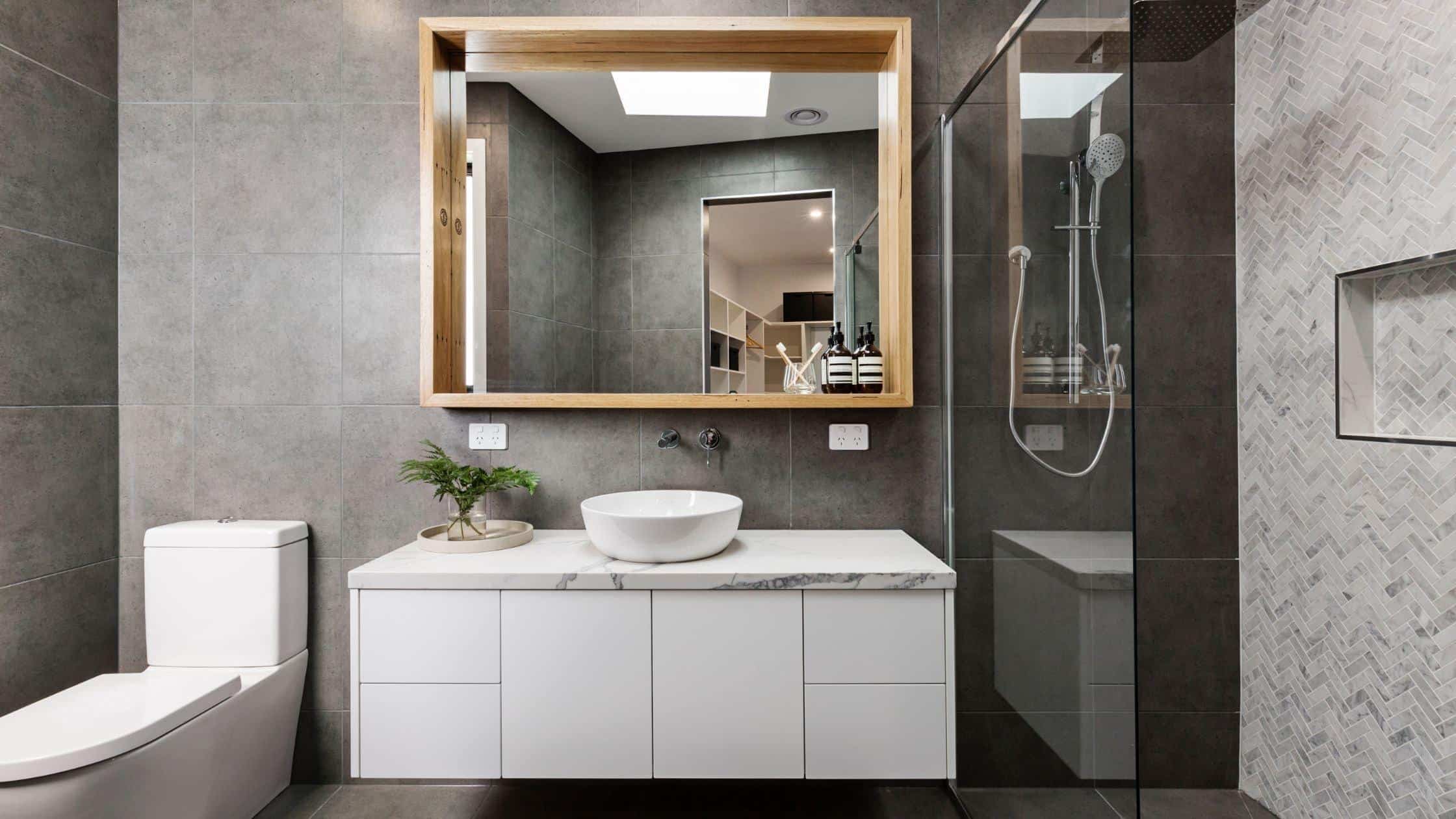
A modern bathroom in a high-end remodel is not just about the vanity. The vanity is the anchor, but the surrounding decisions determine whether the space reads as cohesive and intentional. In the Boulder and Denver Front Range market, luxury bathroom design tends to favor a restrained material palette, natural textures, and integrated lighting that enhances the atmosphere rather than overwhelming it.
Clean lines, minimal grout joints, and recessed fixtures reduce visual noise. Slab countertops that continue up the wall as a backsplash create a seamless surface that is easy to maintain and looks refined. Integrated or backlit mirrors above the vanity add ambient light and make the bathroom feel larger. The choice of floor tile, whether large-format porcelain or handmade zellige, sets the ground plane and connects the entire room.
Two Aspens brings a design/build approach to every bathroom remodel, which means the architecture, materials, and finishes are all considered together from the beginning. If choosing the right team for a remodel project is on the table, the complete guide to hiring bathroom remodel contractors covers what to look for in a design/build partner and what questions to ask before the project begins.
Frequently Asked Questions About Modern Bathroom Vanities
What size vanity works best for a primary bathroom?
Most primary bathrooms accommodate a vanity between 60 and 72 inches wide, though the right size depends on the overall bathroom layout and whether the plan includes a double or single sink. The vanity should leave enough floor space around it for comfortable movement without crowding the toilet, shower, or door swing. A design/build team can help determine the ideal size before construction begins.
What is the difference between a floating vanity and a freestanding vanity?
A floating vanity mounts directly to the wall with no legs or base touching the floor, creating a sleek, open look. A freestanding vanity rests on the floor, often with legs or a solid base, and resembles a piece of furniture. Both styles work well in modern bathroom designs, but the right choice depends on the bathroom’s proportions, storage needs, and preferred aesthetic.
How do I choose a vanity finish that matches my bathroom hardware?
The safest approach is to choose one primary finish and repeat it across all plumbing fixtures, cabinet hardware, light fixtures, and accessories. Mixing finishes can work, but it requires intentionality. Matte black and brass often pair well together, for example, while brushed nickel and chrome can clash. A design team can help identify a finish combination that holds together across all the products in the bathroom.
Are double vanities worth the added counter space in a primary bathroom?
For a primary bathroom used by two people, a double vanity is almost always worth the investment. Separate sinks and storage zones reduce congestion during busy mornings and keep the counter from becoming cluttered. The additional counter space also makes the room feel more generous and purpose-built, which adds to the overall sense of luxury.
Which vanity materials hold up best in a humid bathroom environment?
Cabinet materials with a sealed finish, such as painted MDF with a quality primer coat or thermofoil on a moisture-resistant substrate, handle humidity well. Natural wood can work with proper sealing but requires more maintenance. For countertops, engineered quartz and porcelain slab are the most durable options in a wet environment. Natural stone is beautiful but needs sealing to prevent staining and moisture absorption over time.
How long does a bathroom vanity installation take during a remodel?
Vanity installation is typically a one to two day task, but it fits into a larger remodel timeline that spans several weeks. Plumbing rough-in, tile work, and drywall all need to complete before the vanity goes in. Custom or semi-custom vanities also require a lead time of several weeks to months, so early decisions in the design process prevent delays in the construction schedule.
Is it worth hiring a design/build firm rather than sourcing a vanity independently?
For a high-end bathroom remodel, a design/build firm brings the advantage of coordinating the vanity with every other element of the project. The team manages sourcing, lead times, installation, and plumbing rough-in as a single process rather than leaving the homeowner to manage multiple vendors. The result is a bathroom where every product fits the space and works together as a complete design.
Start Your Bathroom Vanity Design with Two Aspens
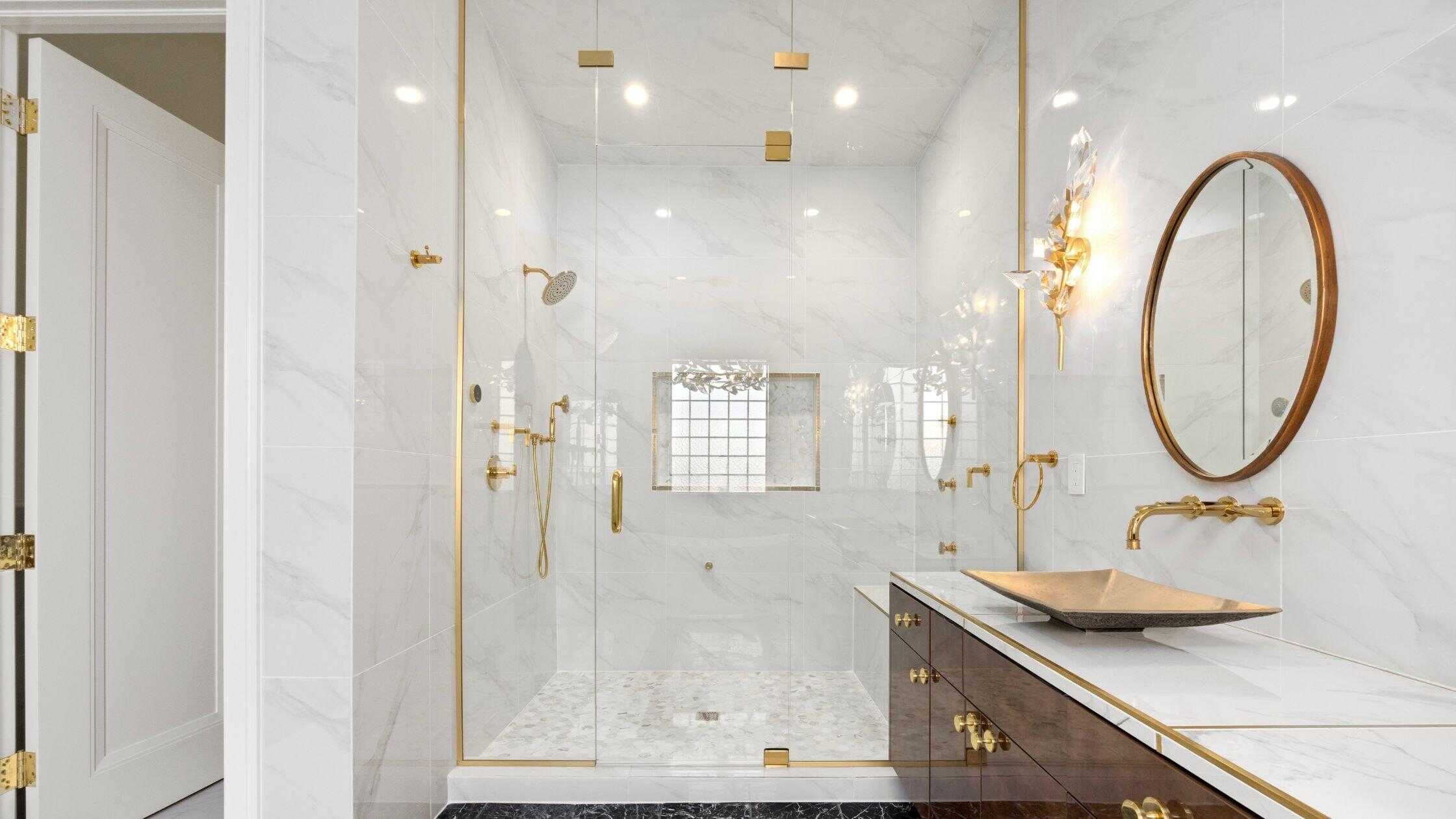
The right vanity transforms a bathroom from a purely functional space into one that reflects the quality and character of the home. Whether the project is a full primary suite remodel or a powder room update, the vanity sets the tone for everything around it. Two Aspens works with homeowners throughout Boulder and the surrounding communities to design and build bathrooms where every detail, from the vanity to the floor tile to the hardware finish, is considered as part of a complete design.
If a bathroom remodel is on the horizon, reach out to the Two Aspens team to explore how the design/build process works and what is possible for the space. Every project starts with a conversation.

0 Comments