
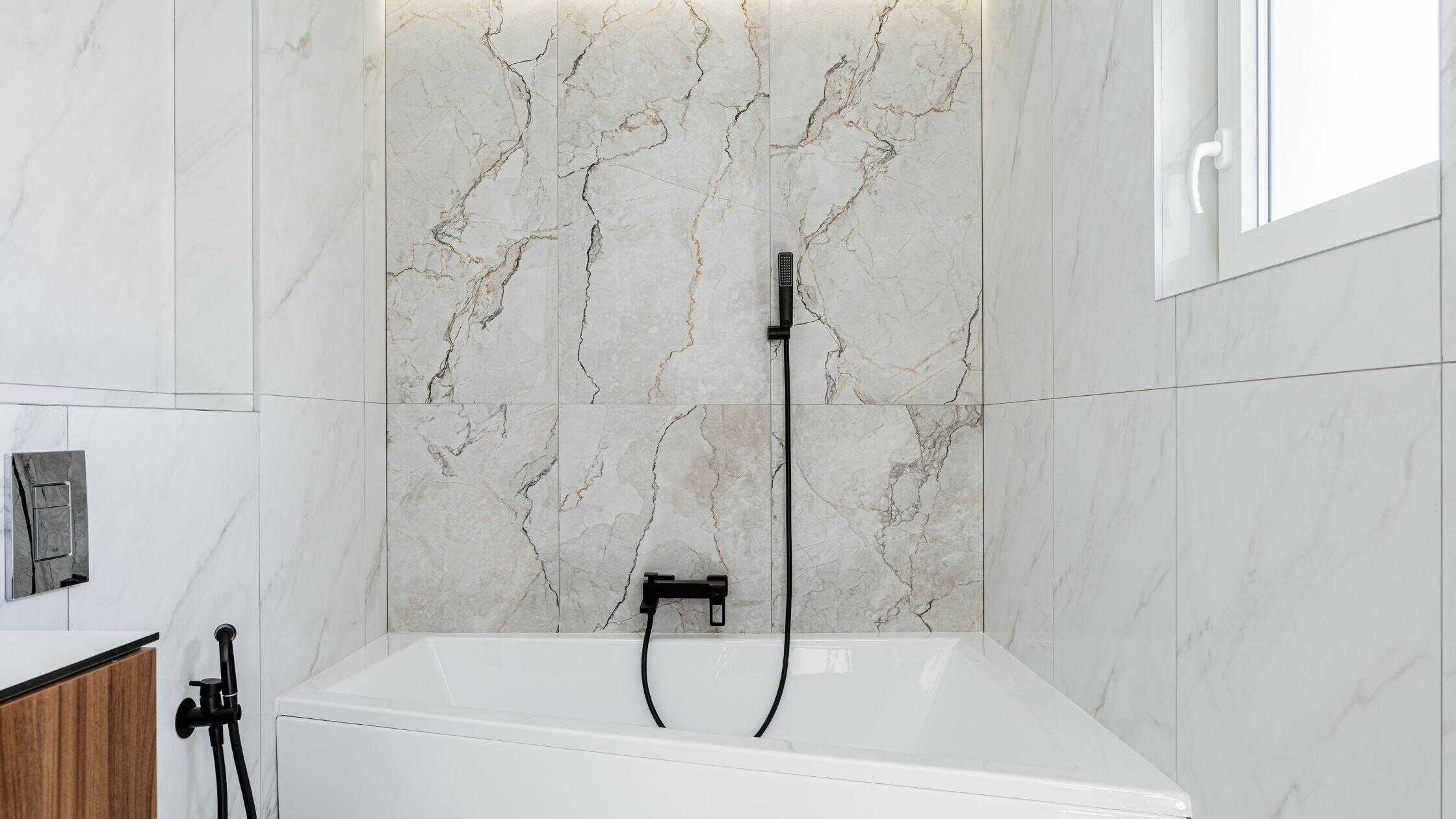
A bathtub shower combination delivers both soaking depth and the convenience of a daily shower in a single footprint. For homes where bathroom square footage is at a premium, or where the design calls for one versatile fixture rather than two separate installations, a well-designed combo is often the right answer. Done with quality materials and a clear design direction, it can be one of the most functional and beautiful elements in the entire bathroom.
In luxury bathroom remodels, the bathtub shower combo has moved well past its builder-grade origins. Freestanding tubs with wall-mounted shower systems, deep soaking tubs set within tiled wet rooms, and alcove configurations clad in large-format stone all represent what is possible when a design/build team approaches the project with intention. The goal is a space that feels cohesive and purpose-built rather than a compromise between two fixtures.
Two Aspens works with homeowners throughout Boulder and the surrounding Front Range communities to design and build bathrooms where every element, including the tub and shower configuration, reflects the way the household actually uses the space. This guide covers the design options, material choices, layout considerations, and practical features that make a bathtub and shower combo work in a modern, high-end home.
What Is a Bathtub Shower Combination and When Does It Make Sense?
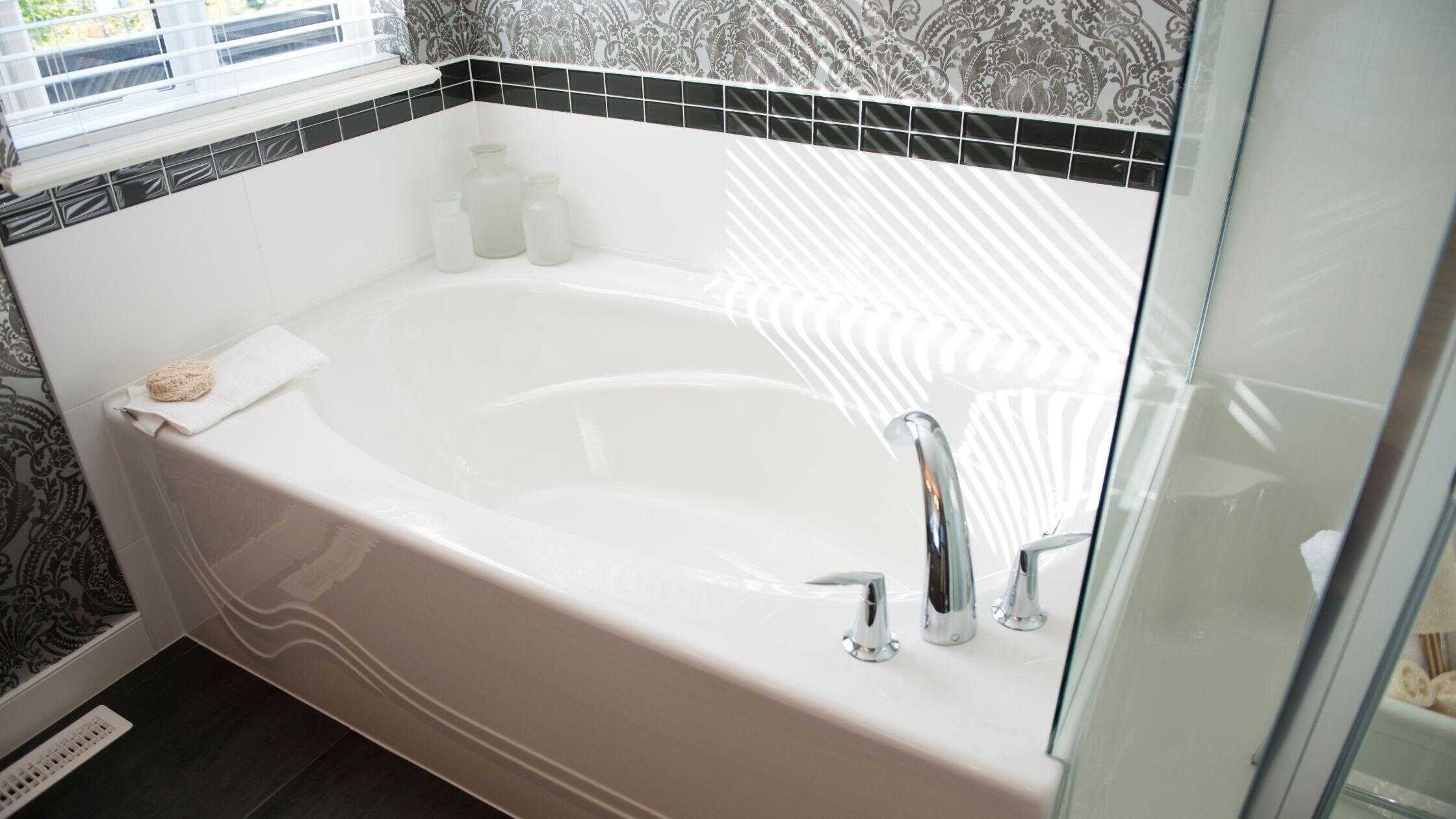
A bathtub shower refers to any configuration where the same plumbing system and enclosure area serve both bathing and showering functions. This can range from a standard alcove tub with a showerhead and curtain rod to a custom wet room where a sculptural freestanding tub sits within a fully tiled, open shower area. The format is defined more by how the space functions than by any single fixture style.
The combination format makes the most sense in a few specific situations. Guest bathrooms and family bathrooms benefit from the versatility, since different users have different preferences. Bathrooms with a footprint too small to accommodate both a dedicated soaking tub and a walk-in shower often achieve both functions through a well-designed combo. And in some cases, a homeowner simply wants the option to soak without dedicating a significant portion of the bathroom floor to a tub that rarely gets used.
Quick tip: A freestanding tub positioned within a tiled wet room gives the visual appeal of a separate soaking tub while keeping the shower function fully integrated. This layout reads as more luxurious than an alcove setup while still maintaining practicality.
Which Bathtub Shower Combos Work Best in High-End Bathrooms?
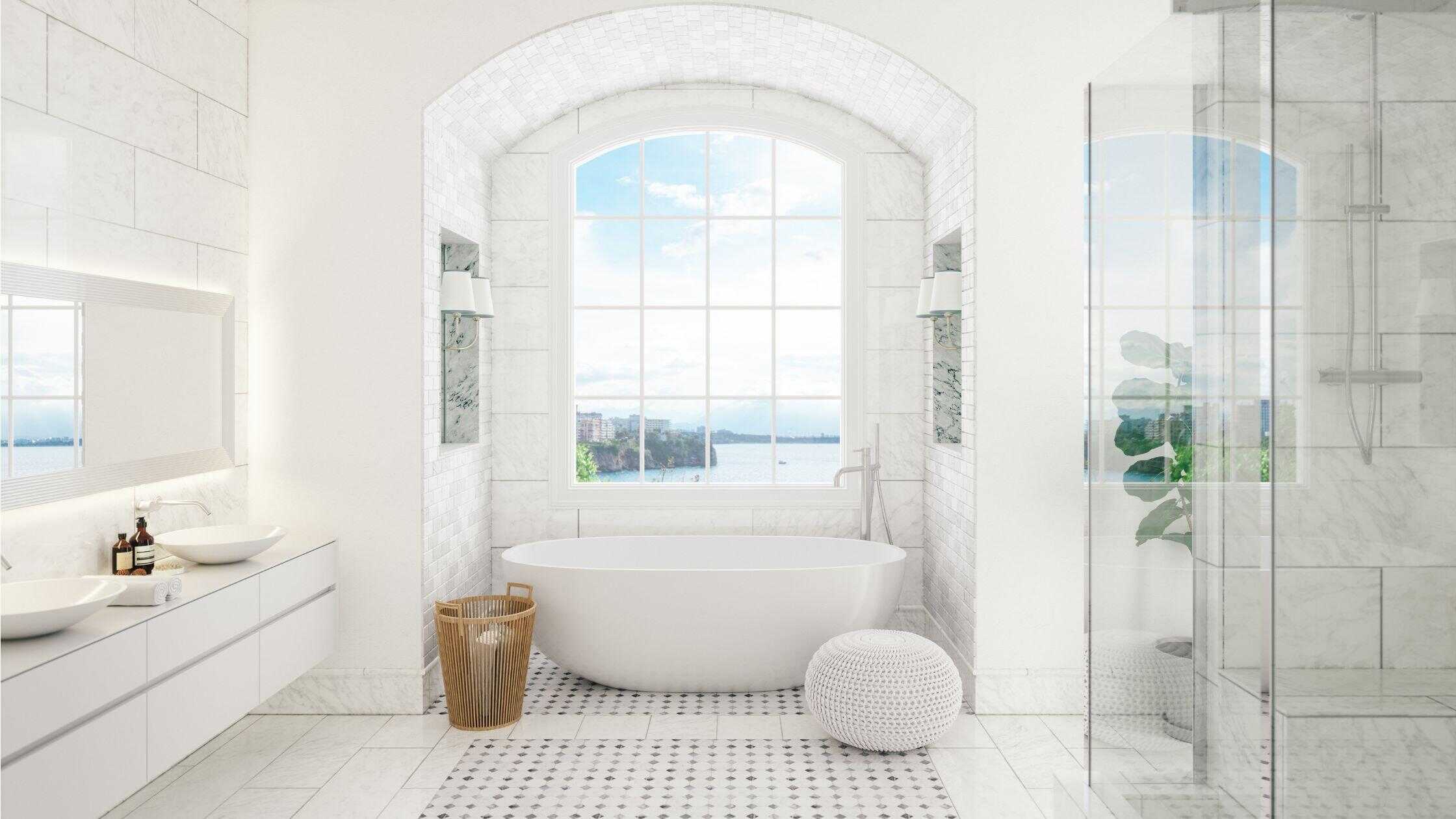
Bathtub shower combos in luxury homes tend to fall into three main configurations. Each has distinct design strengths and practical trade-offs depending on the bathroom project scope, available space, and the household’s priorities.
Wet Room with Freestanding Tub
The wet room format treats the entire bathroom floor as a waterproof surface, with the shower area flowing into the rest of the room without a curb or enclosure. A freestanding tub sits within this space, flanked by a ceiling-mounted rainfall showerhead or a wall-mounted shower system. This configuration creates the most open, spa-like feel of any combo format and works well in larger bathrooms where the floor area can accommodate both fixtures without crowding.
Tiled Alcove with Built-In Tub Surround
An alcove configuration fits the tub into a three-wall niche, with the fourth side open and typically enclosed by a glass door or panel. This is the most space-efficient option and works well in bathrooms where the layout needs to be compact. In a high-end remodel, the surround tile, hardware finish, and fixture selection elevate what is otherwise a traditional layout. Large-format tile with minimal grout joints, brushed nickel or matte black hardware, and a frameless glass door all move the alcove combo out of builder territory.
Did you know? Frameless glass enclosures make a tub shower alcove feel significantly more open than framed alternatives. The absence of metal framing around the glass reduces visual clutter and lets the tile work read as the focal point.
Drop-In Tub with Walk-In Shower Area
A drop-in tub set into a tiled deck, positioned adjacent to or at the entry of a walk-in shower area, creates a cohesive zone where both fixtures share a floor material and visual language without being fully integrated. A low glass panel or partial wall between the tub deck and the shower defines the shower area while keeping the overall space open. This layout suits larger primary bathrooms and gives the design a custom, built-in quality.
How Do Tile and Material Choices Define the Tub Shower Design?
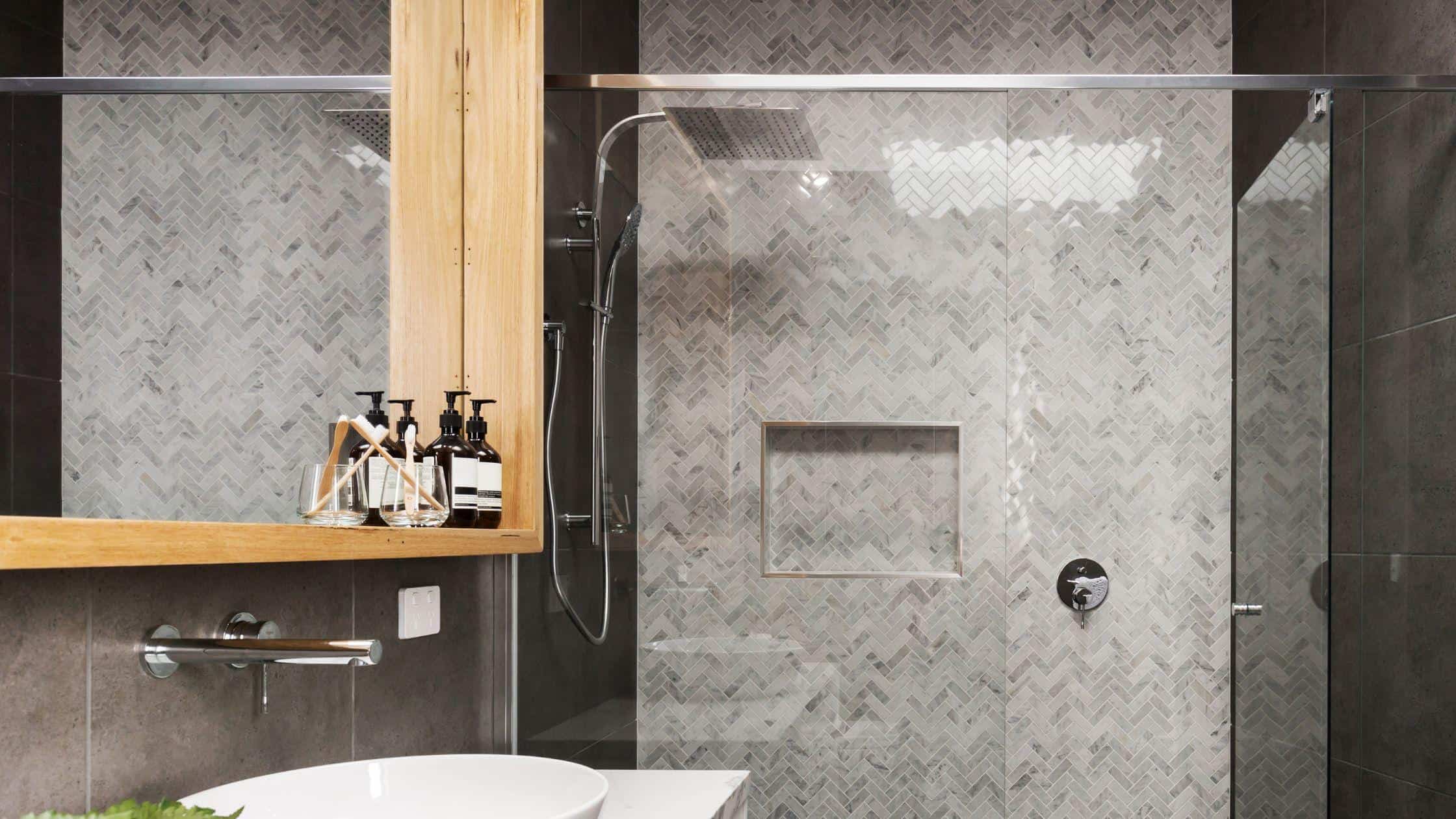
Tile is the dominant material in any tub shower configuration, and it carries more design weight than any single fixture. In a luxury bathroom remodel, tile selection connects the bathtub area to the broader palette of the room. The style choices available span a wide variety of formats, textures, and materials.
High-performing tile choices for a tub and shower area include:
- Large-format porcelain slab panels for a minimal grout look and a seamless, stone-like surface
- Smooth, honed marble or travertine for a warm, natural texture that elevates the entire space
- Zellige or handmade ceramic tile for a floor with character and artisan quality
- Matte porcelain in a concrete or stone look for a modern, low-maintenance alternative to natural stone
- Mosaic tile accents on the floor or a niche wall to add texture without overwhelming the space
The floor tile in a tub shower area requires a slip-resistant surface for safety. According to the Tile Council of North America, floor tiles in wet areas should meet a minimum coefficient of friction rating to reduce slip risk, particularly for households with older adults or children. Smaller tile formats and textured surfaces naturally provide more grip than large, polished slabs on a floor plane.
Hardware finish connects the plumbing fixtures, shower system, and accessories into a cohesive design. Brushed nickel is one of the most durable and versatile finishes available for a bathroom project of this scale, resisting water spots and fingerprints while pairing well with a wide range of tile palettes. Matte black and unlacquered brass offer more visual contrast and a stronger design statement for bathrooms with a bolder direction.
What Features Should a Shower Combo Include for Comfort and Functionality?
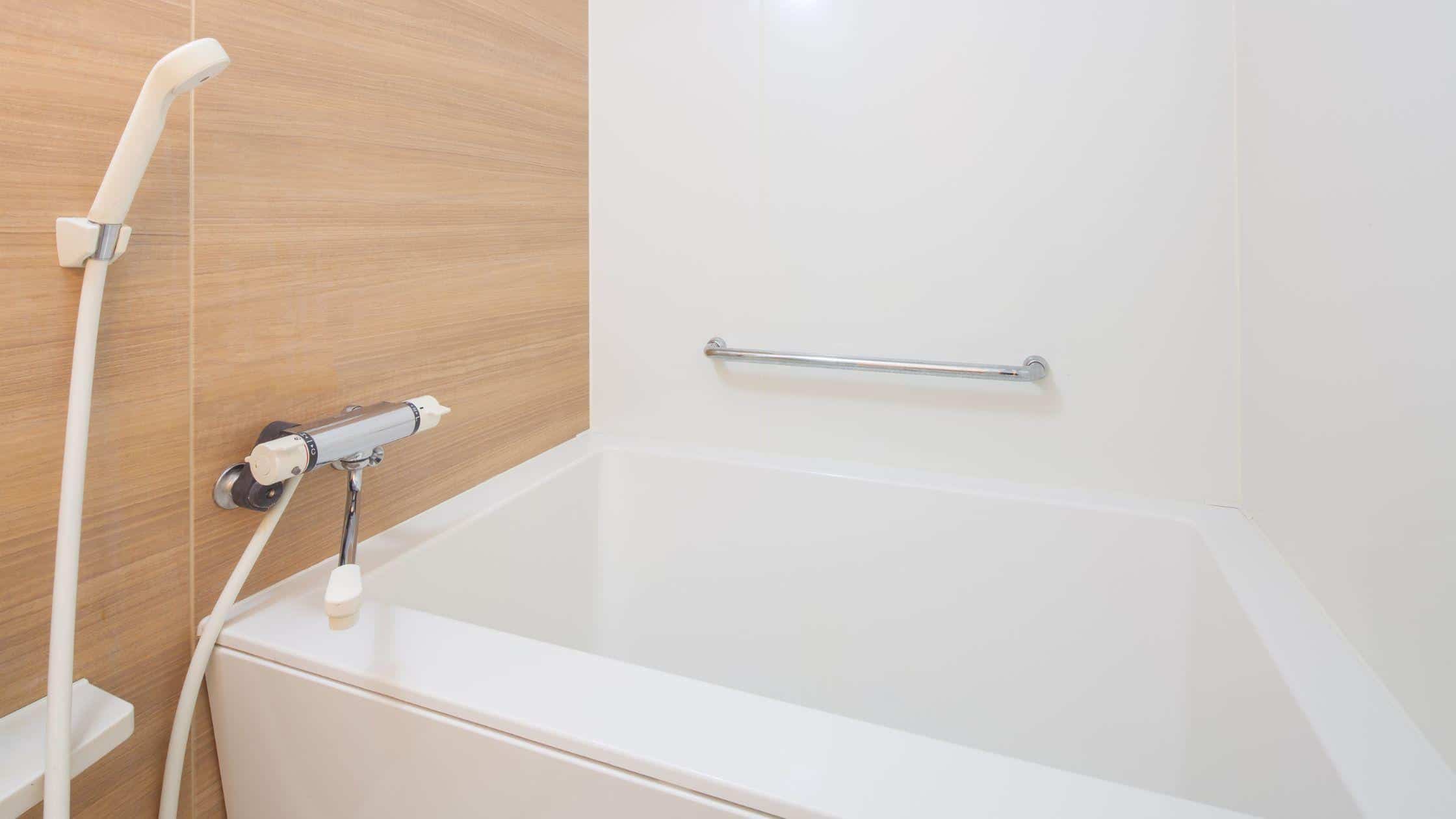
The fixtures and features inside a shower combo determine how well it functions day to day. In a high-end remodel, the plumbing system goes well beyond a single showerhead. A thoughtful design layers multiple water delivery points and includes built-in features that make the space more comfortable and convenient to use.
The following features deserve consideration in order of practical impact:
- Thermostatic valve system for precise, consistent water temperature control without temperature spikes
- Ceiling-mounted rainfall head for a full-coverage, immersive showering experience
- Hand shower on a slide bar for flexibility and rinsing the tub area after use
- Built-in niche or recessed shelf for storage without a freestanding caddy
- Seating options such as a teak bench or a tiled bench built into the enclosure
- Grab bar placement integrated into the tile design for safety without visual disruption
Quick tip: A recessed tile niche placed at shoulder height on the shower wall eliminates the need for a shower caddy and keeps the surface clean. Plan the niche location during the framing stage so it lands between studs at the right height.
Grab bar placement is worth addressing as part of the original design rather than as an afterthought. Blocking installed during framing allows grab bars to go in at any point without needing to open the wall. For households thinking about aging in place or long-term usability, this is a small upfront investment with significant long-term value. The shower grab bar planning guide from Two Aspens covers placement standards and how to integrate grab bars into a tile design without compromising the look.
How Does Bathroom Layout Affect the Bathtub Shower Design?
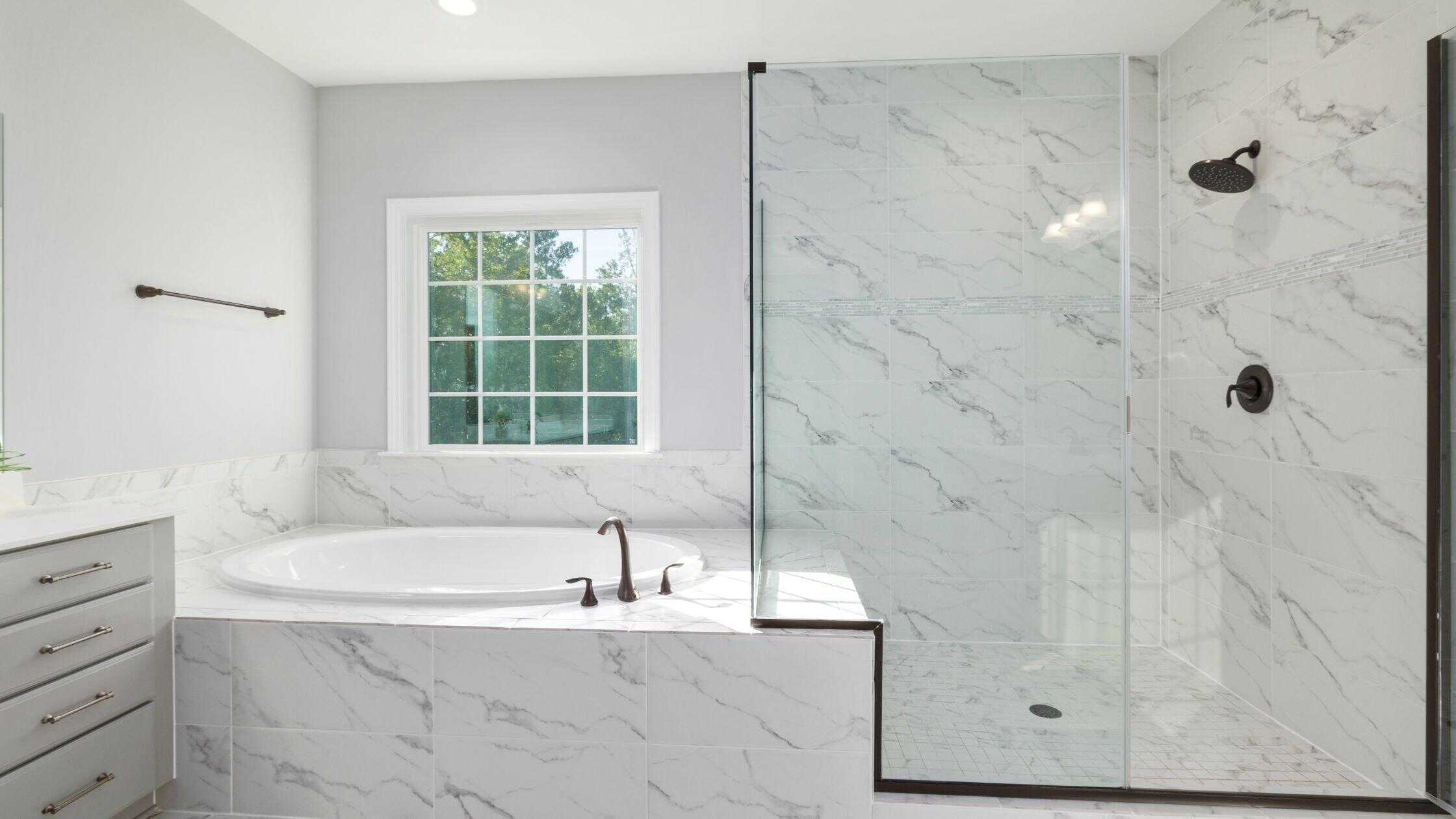
Layout decisions shape everything about how a bathtub shower combo functions and feels. The position of the tub relative to the window, the door swing, the toilet, and the vanity all affect the sense of openness and the practical flow of the room. Getting the layout right requires looking at the space as a system rather than placing fixtures in isolation.
A common challenge in existing homes is that the original plumbing rough-in locks the tub into a position that does not serve the best layout. In a full bathroom remodel, moving the rough-in is often worth the cost to unlock a better configuration. Two Aspens evaluates these trade-offs as part of the design/build process, using the bathroom layout to guide decisions about where the combo should sit and how it should open into the room.
For homeowners who want to explore layout options before committing to a direction, the bathroom layout design ideas resource offers a range of configurations that work well for both smaller and larger bathrooms, with examples of how fixture placement affects the overall feel of the space.
What Makes a Tub Shower Easy to Maintain Long-Term?
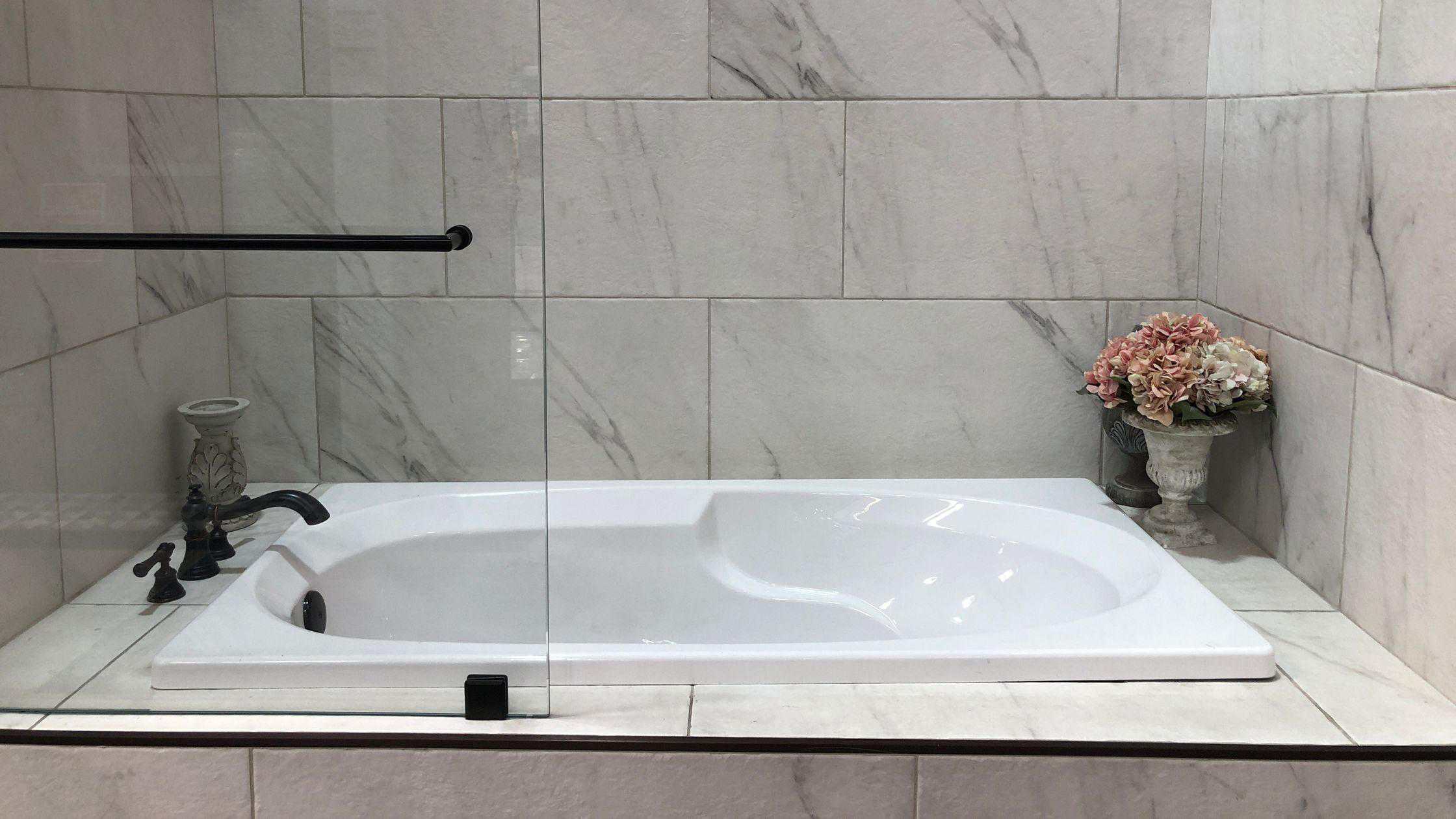
Longevity and ease of maintenance depend on the materials and installation quality more than on any cleaning routine. In a wet area, grout joints are the primary maintenance point. Large-format tile reduces the total number of grout lines, which means less surface area for mold and mildew to develop. Epoxy grout resists staining and moisture better than standard cement-based grout, and it is worth specifying on a bathroom project of this caliber.
According to the National Kitchen and Bath Association, proper waterproofing installation behind the tile substrate is the most critical factor in preventing long-term moisture damage in a tub and shower area. A correctly installed waterproofing membrane protects the structure of the wall and floor, extending the life of the entire installation by decades. This is one area where cutting corners in the installation phase creates significant problems years later.
When selecting a team for a bathroom project of this scope, working with a licensed design/build contractor ensures waterproofing, plumbing, and tile installation all meet code and quality standards. The guide to hiring bathroom remodel contractors outlines what to look for in a design/build partner and what questions to ask before the project starts.
Frequently Asked Questions About Bathtub Shower Combinations
Is a bathtub shower combination a good choice for a primary bathroom?
It depends on how the household uses the bathroom. If daily showers are the priority and soaking is occasional, a well-designed combo handles both without dedicating separate floor space to each fixture. In a larger primary suite, a separate soaking tub and walk-in shower may be possible and preferable. A design/build team can help evaluate the trade-offs based on the actual layout and the homeowner’s habits.
What is the standard tub size for a tub and shower combo?
Standard alcove tubs for a tub shower configuration are typically 60 inches long and 30 to 32 inches wide. Deeper soaking tubs in a combo format can run 66 to 72 inches long for a more generous bathing experience. The right size depends on the available space in the bathroom and the proportions of the users. A tub that is too short to lie in comfortably defeats the purpose of including one.
How do you keep a bathtub shower combo clean?
The most effective maintenance strategy starts with material and installation choices. Large-format tile with epoxy grout, a quality squeegee used after each shower, and a ventilation fan that fully exhausts humidity prevent the majority of mold and soap scum buildup. Avoid harsh abrasive cleaners on natural stone surfaces, as these strip the sealant and create a surface more prone to staining.
What is the difference between a shower combo and a walk-in shower?
A shower combo includes a bathtub within the shower footprint or enclosure, serving both functions from a single plumbing system. A walk-in shower is a dedicated shower space with no tub, typically featuring a curbless or low-threshold entry for easy access. Walk-in showers prioritize showering function and accessibility, while combos add the option to soak without requiring additional floor space.
Can you add seating to a bathtub shower combo?
Seating options vary depending on the configuration. In a wet room format, a built-in tiled bench or a teak stool works well alongside the freestanding tub. In an alcove setup, a fold-down teak seat or a small built-in ledge at one end of the tub can provide a place to sit while showering. Seating adds comfort and accessibility without requiring a significant change to the layout.
How long does a bathtub shower combo last?
A tub shower installation with quality materials and correct waterproofing can last 20 to 30 years or longer before requiring significant work. The fixtures themselves, including cast iron or acrylic tubs and quality plumbing hardware, often outlast the design preferences of the homeowner. Grout and caulk joints require periodic resealing or replacement, typically every five to ten years depending on use and ventilation quality.
What is the installation process for a tub shower combo remodel?
A full tub shower combo remodel involves demolition of the existing fixture and surround, waterproofing membrane installation, plumbing rough-in adjustments if needed, tile setting, fixture installation, and final grouting and caulking. The sequence matters because each stage depends on the one before it. Working with a design/build contractor ensures these stages are coordinated and inspected correctly before the next phase begins.
Build the Right Bathtub and Shower Configuration with Two Aspens
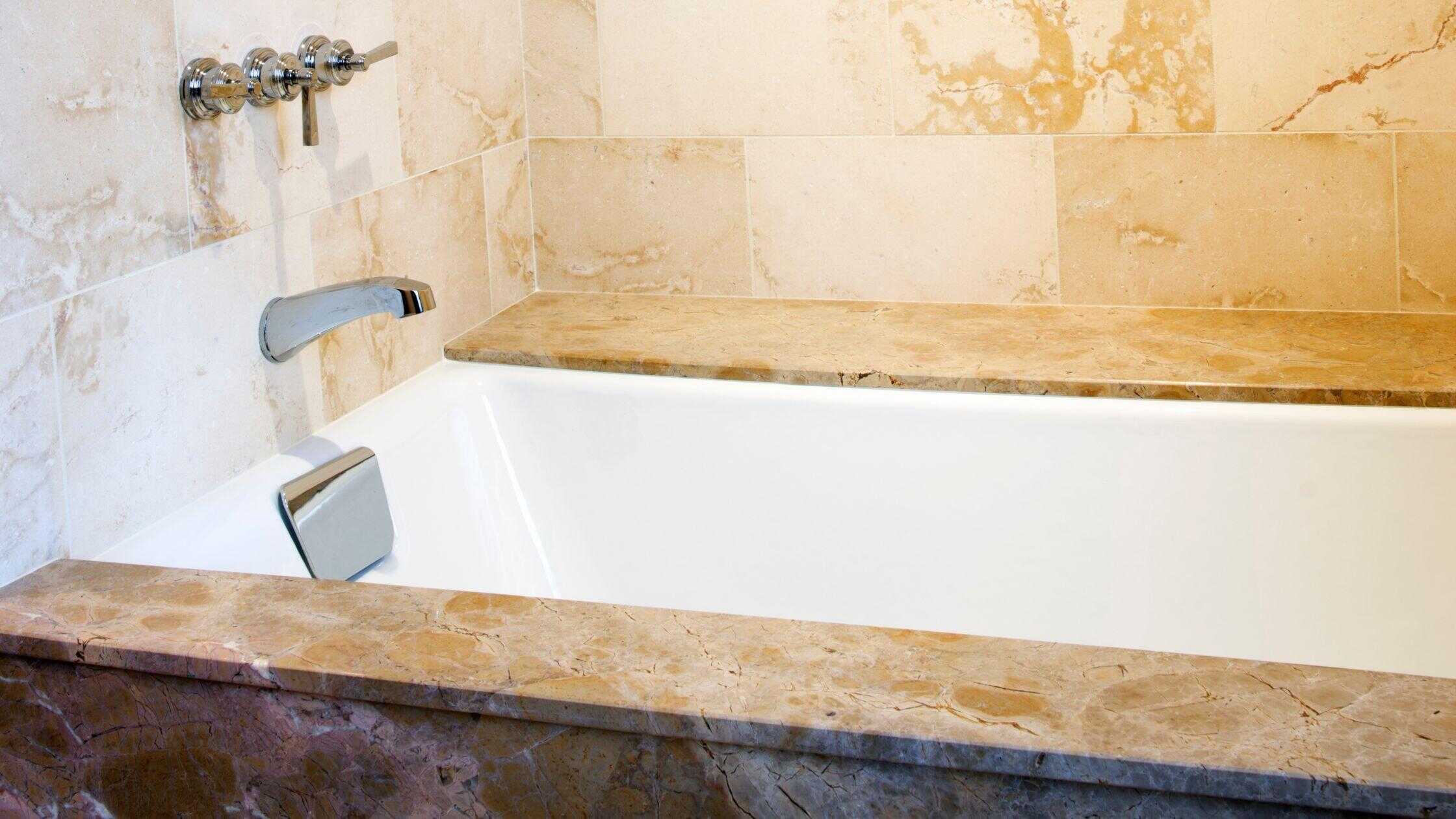
A bathtub and shower combination done well is one of the most versatile investments in a bathroom remodel. The right configuration, materials, and fixture choices create a space that functions for daily use and feels like a genuine retreat. Two Aspens brings stylish design and complete construction together from the start, so the tub shower layout, tile palette, hardware finish, and plumbing system all work as a single, cohesive design.
Reach out to the Two Aspens team to start a conversation about the bathroom project. Every remodel begins with understanding how the space is used and what the homeowner actually wants from it.

0 Comments