
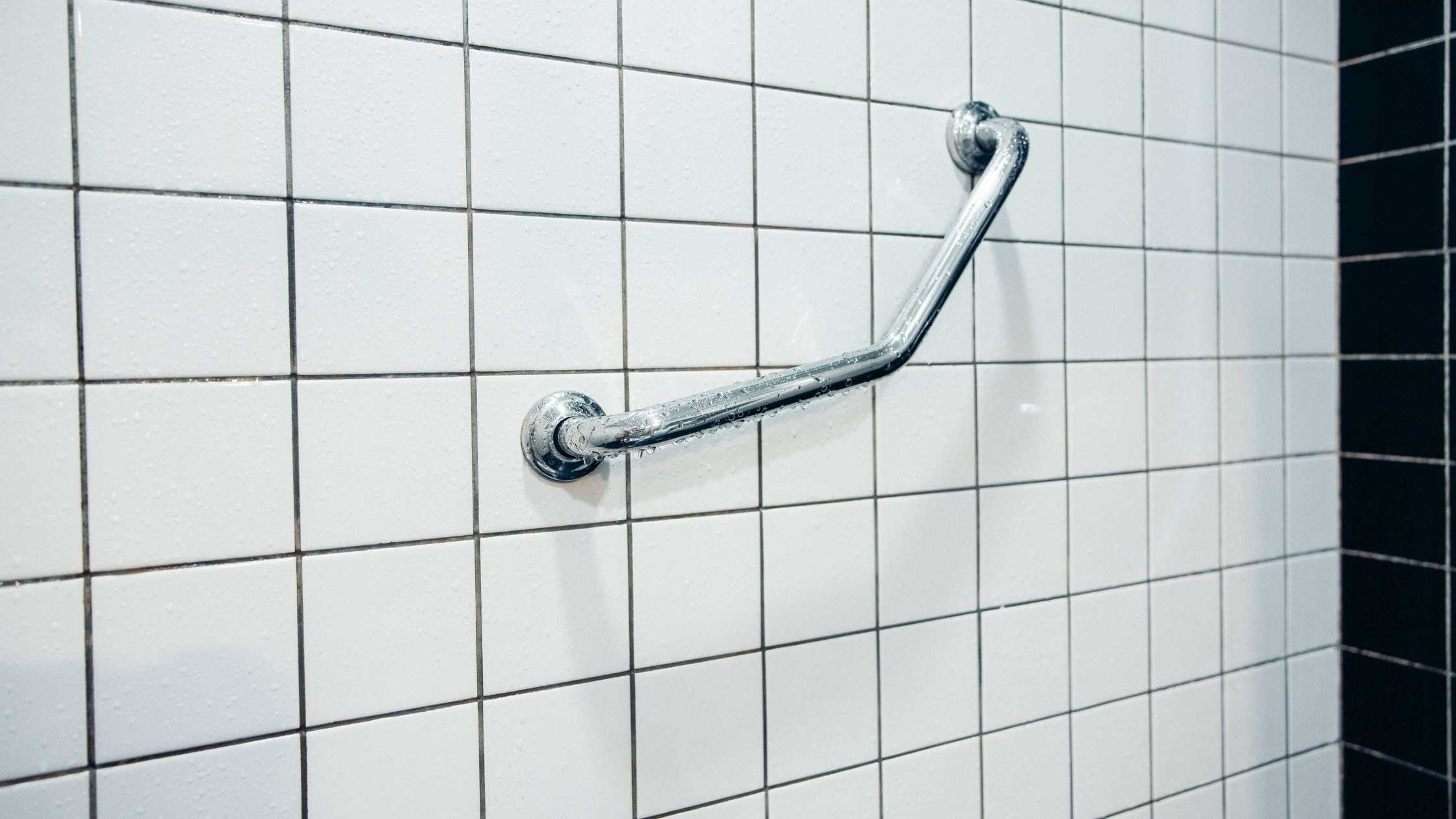
Shower grab bars provide essential safety support while maintaining the sophisticated aesthetic expected in luxury bathroom design. Modern options blend seamlessly with high-end finishes, offering stability without compromising style. These fixtures enhance accessibility for all ages and abilities while adding peace of mind for homeowners planning to age in place.
Traditional institutional grab bars no longer represent the only choice for Boulder homeowners investing in universal design. Contemporary manufacturers create bars in premium finishes that coordinate with luxury fixtures and hardware. The result transforms safety features into intentional design elements that support multigenerational living without advertising their primary purpose.
Strategic placement during bathroom remodels ensures grab bars integrate structurally rather than appearing as afterthoughts. Working with experienced bathroom remodel contractors allows proper blocking installation behind walls, creating secure mounting surfaces that support weight without visible reinforcement. This planning proves essential for maintaining clean sight lines in high-end spaces.
What Makes Modern Grab Bars Different?
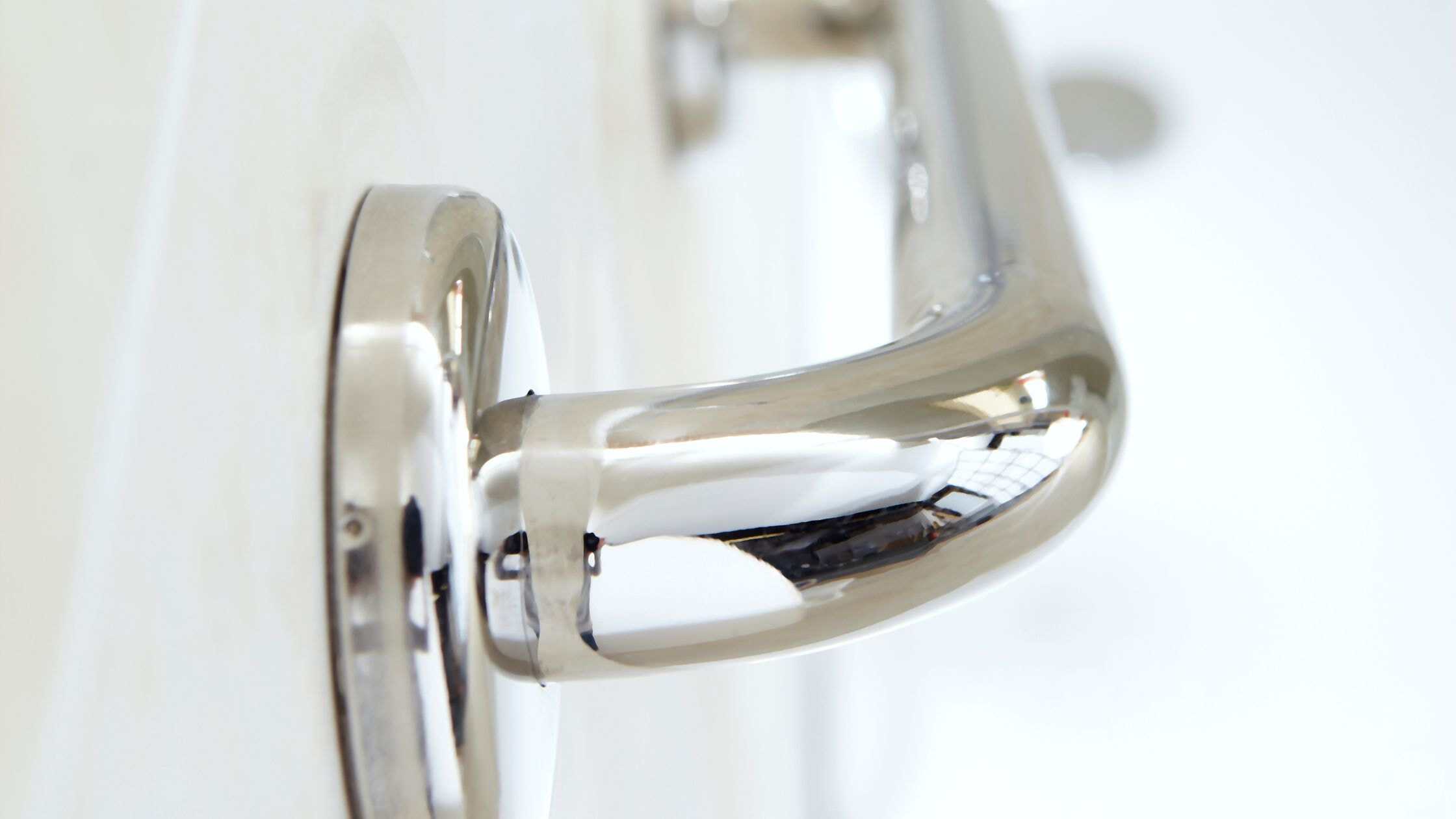
Contemporary grab bars offer a substantial range of design options beyond basic chrome tubes. Matte black, brushed gold, oil-rubbed bronze, and polished nickel finishes match popular fixture selections in luxury bathrooms. Square profiles, rounded edges, and minimalist mounting hardware create refined appearances that complement rather than clash with surrounding elements.
Did you know? Grab bars must support at least 250 pounds of force when properly installed, according to ADA guidelines, making professional installation with appropriate blocking essential for safety.
Manufacturers now design grab bars that resemble towel bars, integrated shelving, or decorative elements. These dual-purpose fixtures provide necessary support while serving additional functions. A horizontal bar might hold towels when not needed for stability. Vertical bars can incorporate soap dishes or built-in shelves that enhance everyday use.
The price range for quality grab bars varies based on finish, length, and features. Premium options in designer finishes come at a higher price than basic models but maintain consistency with other luxury bathroom hardware. This investment proves worthwhile when bars blend invisibly into the overall design rather than standing out as medical equipment.
Where Should Shower Grab Bars Be Placed?
Vertical Bars Near Entry
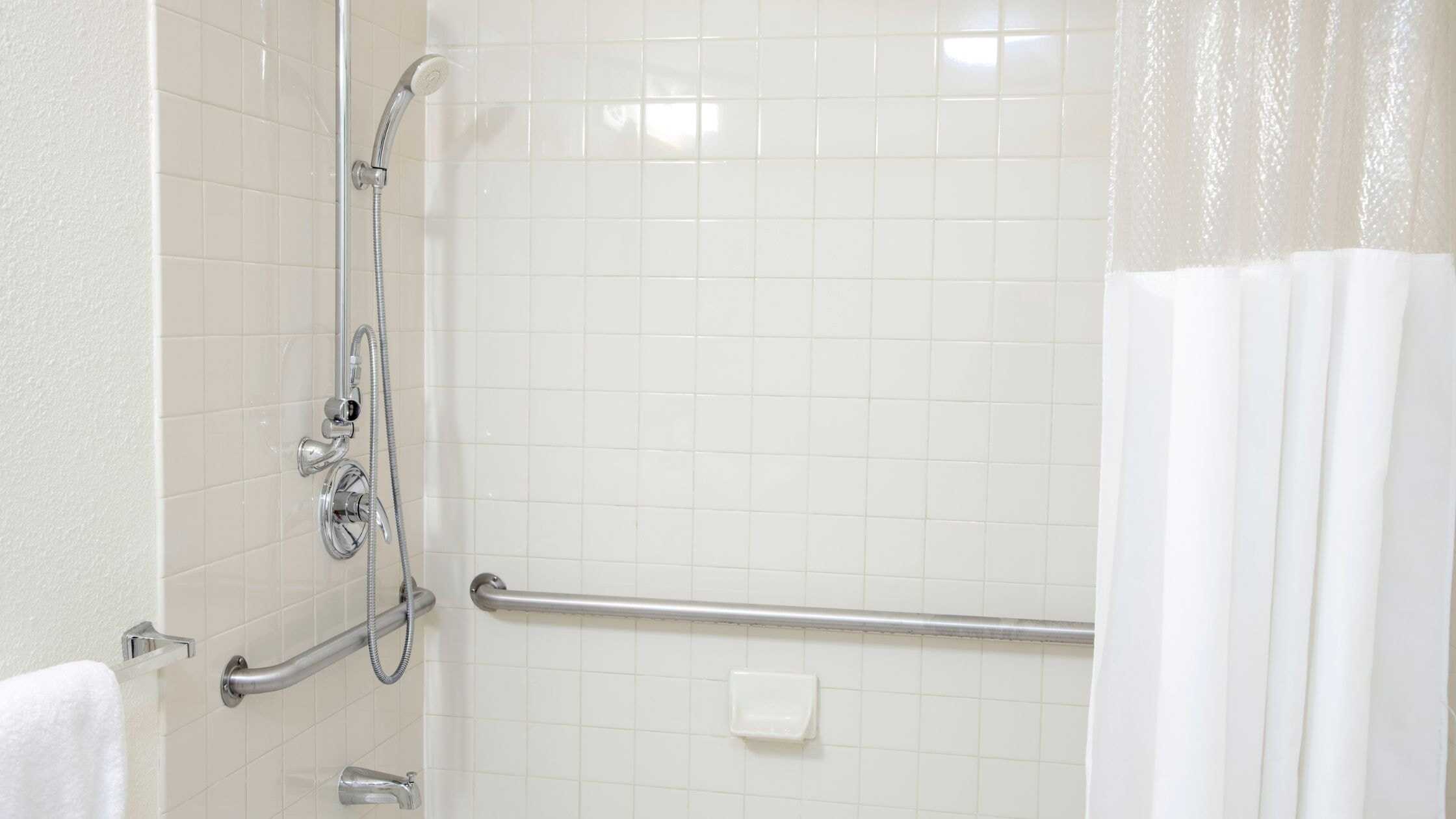
Vertical grab bars positioned near shower entries provide support when stepping over thresholds or entering walk-in designs. These bars assist with balance during the transition from dry to wet surfaces. Placement typically works best on the wall opposite the showerhead, allowing users to brace themselves while adjusting water temperature.
Install vertical bars between 33-36 inches from the shower floor for optimal accessibility. This height accommodates users of varying statures while remaining within comfortable reach. The bars should extend at least 18 inches vertically to provide adequate gripping range.
Horizontal Bars Along Shower Walls
Horizontal bars along the back wall offer support while bathing and help users maintain balance on slippery surfaces. Position these bars 33-36 inches above the shower floor, creating a natural handhold at hip height for most adults. Length should span at least 24 inches to provide support through various positions and movements.
Quick tip: Install horizontal grab bars on the longest wall in your shower to maximize support range and allow users to move safely along the entire bathing area.
Corner installations benefit from L-shaped configurations that provide support in multiple directions. These specially designed bars offer gripping surfaces along two walls, creating stability for transitions between standing positions. The configuration proves particularly valuable in walk-in shower tile designs where seamless entries eliminate traditional threshold support.
Strategic Placement in Tub-Shower Combinations
Bathtub-shower combinations require additional grab bar placement to support entry, exit, and transitions between sitting and standing. Position one vertical bar on the wall at the faucet end of the tub to assist with entry. Add a horizontal bar on the back wall for support while bathing or showering.
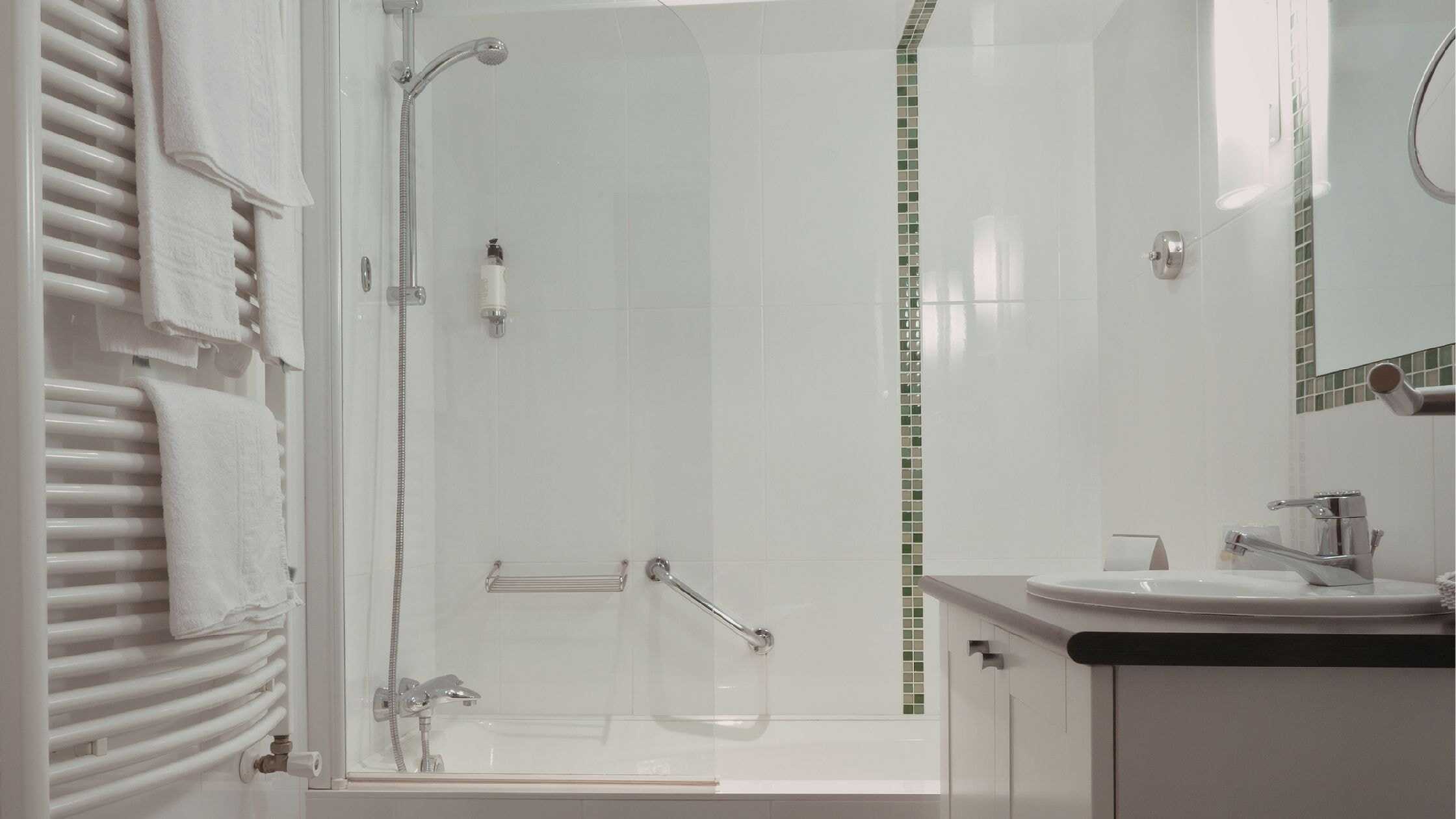
A diagonal bar angled from low to high provides natural hand positioning for standing from a seated position in the tub. This placement creates an intuitive gripping angle that requires less wrist strain than purely horizontal or vertical options.
How Do Grab Bars Enhance Universal Design?
Universal design principles create spaces that work for people of all ages and abilities without requiring specialized modifications. Grab bars represent one element in this comprehensive approach to accessibility. When integrated thoughtfully, they support everyone from young children to elderly residents while maintaining aesthetic appeal.
Families with young children benefit from grab bars that provide stability during bath time. Parents appreciate the support when leaning into tubs or showers to assist with washing. Children learning to bathe independently have access to the bars to maintain balance on wet surfaces.
Active adults value grab bars for injury recovery or temporary stability needs. A twisted ankle, knee surgery, or pregnancy can temporarily affect balance and mobility. Properly installed grab bars provide necessary support during these periods without requiring temporary solutions or modifications.
Did you know? Studies show that bathroom falls account for a significant percentage of home injuries across all age groups, making grab bars valuable safety features regardless of current mobility status.
Aging in place becomes more feasible when homes include accessibility features from the start. Installing grab bars during initial remodels costs less than retrofitting later. The blocking required for proper installation allows for easy integration during new construction or major renovations but becomes more complex and expensive when added to finished bathrooms.
Which Features Should You Consider?
Texture and Grip
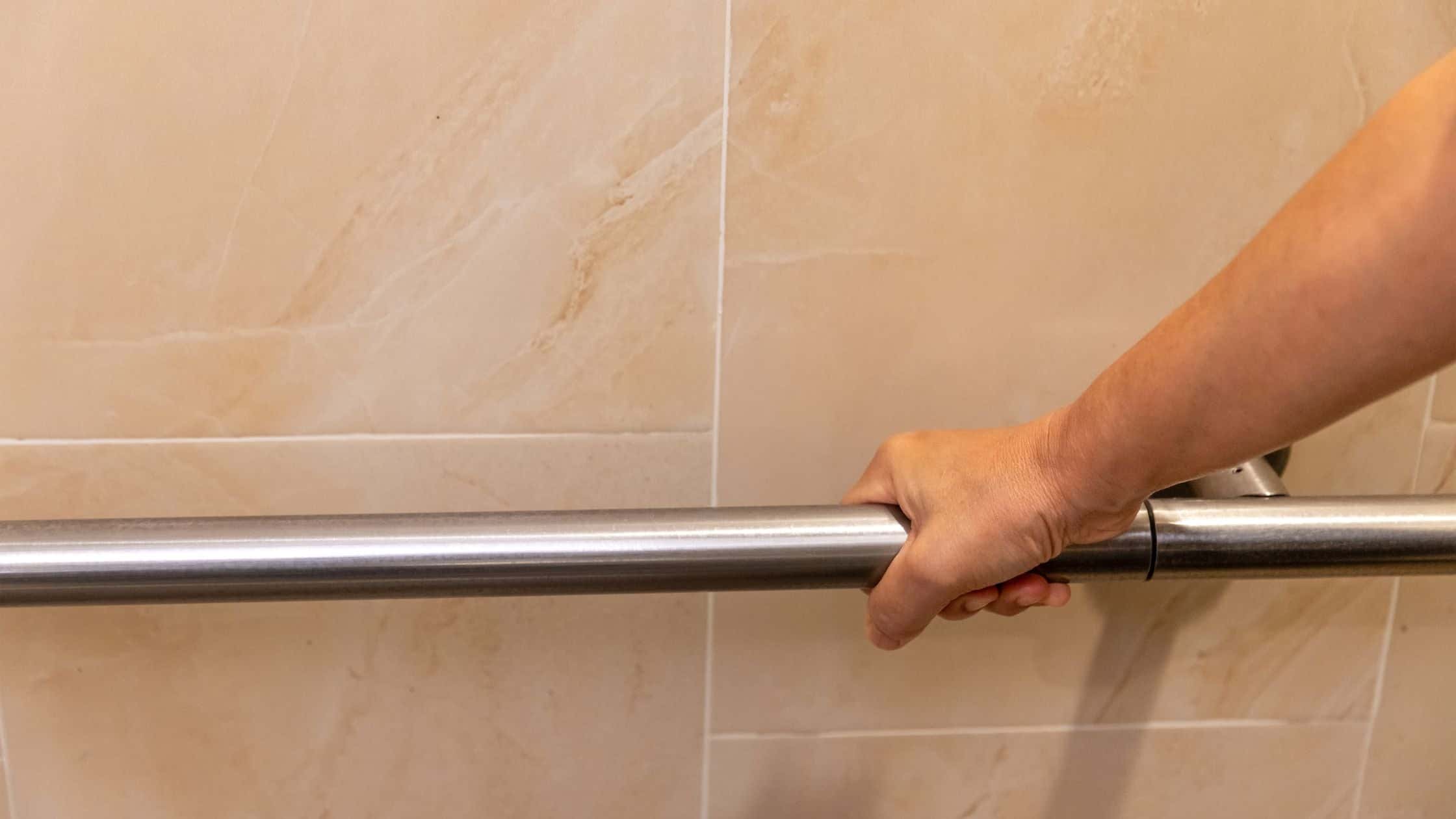
Bar surfaces should provide secure grip even when wet and soapy. Knurled patterns, subtle ridges, or specialized coatings enhance traction without creating uncomfortable pressure points. Smooth bars in polished finishes may look sleek but can become slippery during use.
Diameter affects grip comfort and security. Bars between 1.25 and 1.5 inches in diameter accommodate most hand sizes while providing adequate surface area for firm gripping. Smaller diameters may feel unstable, while larger sizes prove difficult to grasp securely.
Mounting Systems
Concealed mounting hardware creates cleaner visual lines than exposed screws or brackets. Flange-style mounts integrate into the bar ends, hiding fasteners while maintaining necessary structural support. This design choice proves particularly important in luxury bathrooms where visible hardware disrupts refined aesthetics.
Wall-to-wall bars eliminate end brackets entirely by mounting directly into blocking at both ends. This installation method creates the most streamlined appearance but requires precise measurements and blocking placement during construction.
Integrated Storage and Function
Multi-functional designs add value beyond basic safety support. Grab bars with integrated shelving hold shampoo bottles or soap within easy reach while providing stability. These combination fixtures reduce clutter and eliminate the need for separate storage solutions.
Some bars incorporate towel hooks or rings that serve dual purposes. A vertical bar might include a mid-height hook for washcloths or loofahs. Horizontal bars can feature towel rings at the ends, creating functional storage that maintains the bar’s primary support purpose.
Installing Grab Bars for Maximum Safety
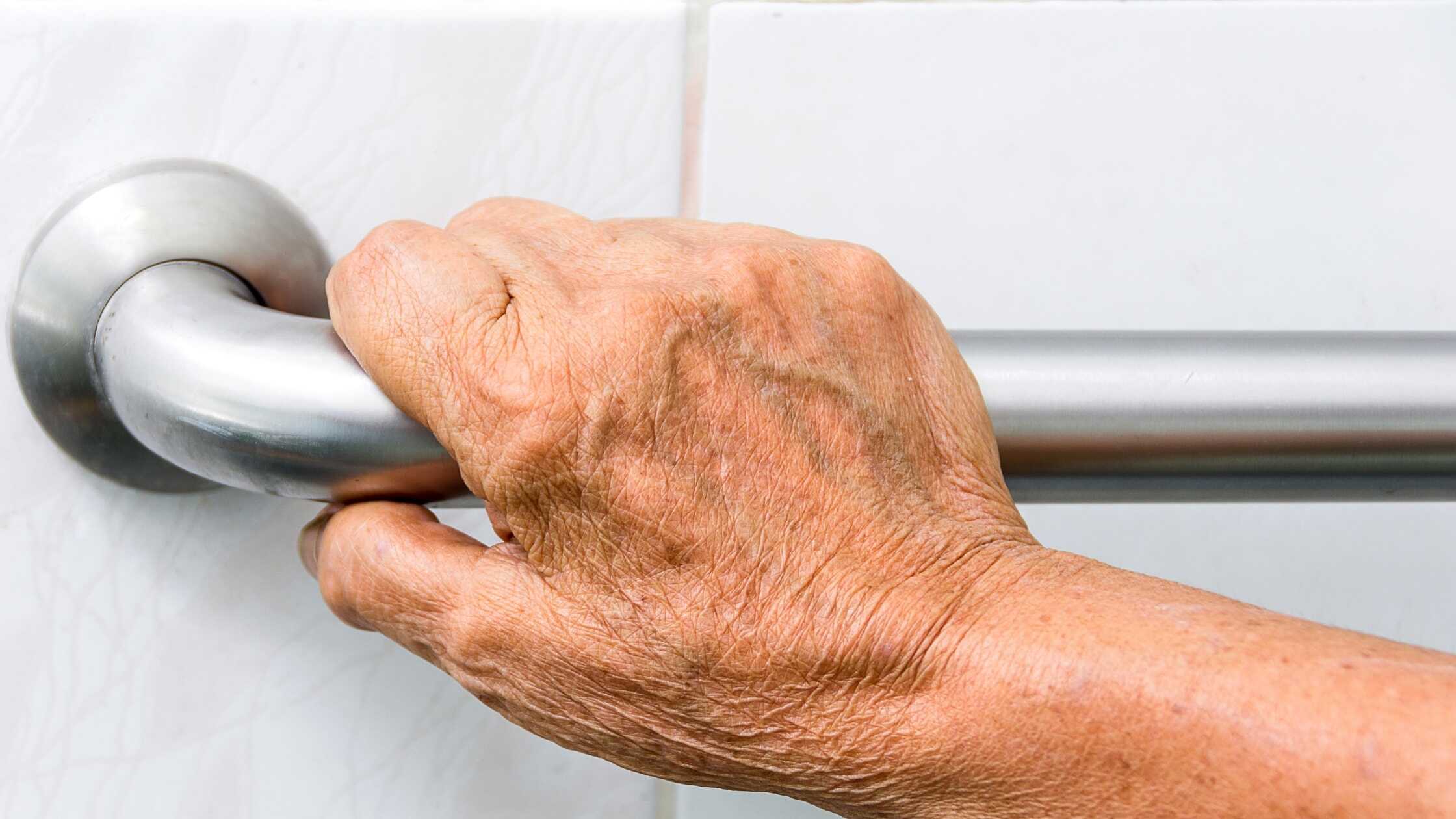
Proper installation determines whether grab bars provide genuine safety or false security. Bars must mount into solid blocking, wall studs, or specialized anchors rated for the required weight capacity. Surface-mounted options that rely solely on drywall or tile adhesive fail under actual load conditions.
- Locate wall studs or install blocking between studs during construction
- Mark mounting positions at appropriate heights and distances
- Drill pilot holes through tile and into blocking or studs
- Apply silicone sealant around mounting flanges to prevent water intrusion
- Secure bars with appropriate screws driven into solid backing
- Test installation by applying substantial downward and outward force
Professional installation ensures grab bars meet safety standards and building codes. Experienced contractors understand blocking requirements, proper fastener selection, and waterproofing techniques that prevent future problems. This expertise proves essential in tile showers where improper penetrations create leak risks.
Coordinating Grab Bars With Bathroom Hardware
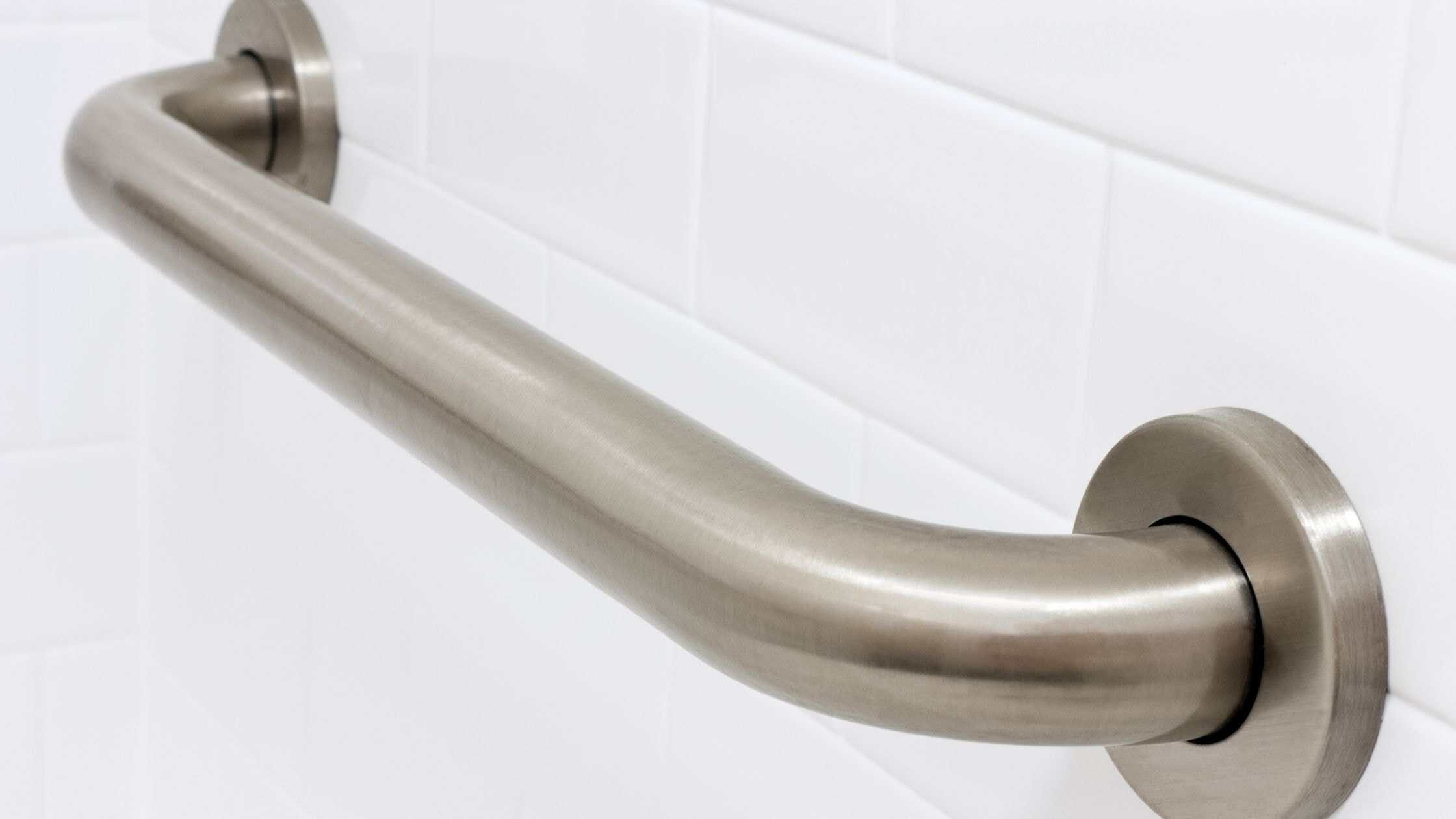
Matching finishes across all bathroom hardware creates cohesive design that feels intentional rather than institutional. When grab bars coordinate with faucets, showerheads, towel bars, and cabinet hardware, they blend into the overall aesthetic. This consistency proves particularly important in luxury remodels where every detail contributes to the finished appearance.
Consider the full range of bathroom fixtures when selecting grab bar finishes. Matte black works beautifully with contemporary designs featuring bold contrasts. Brushed gold or brass complements traditional and transitional spaces. Polished chrome or nickel suits modern minimalist aesthetics.
Profile consistency matters as much as finish selection. Round bars should coordinate with round faucet handles and towel bars. Square or rectangular profiles work best when other fixtures share similar geometries. These subtle connections create visual harmony that elevates the entire space.
Frequently Asked Questions About Shower Grab Bars
Do grab bars require special tools for installation?
Professional installation requires standard drilling equipment, appropriate drill bits for tile and blocking materials, a level, measuring tools, and proper fasteners. Specialized tile bits prevent cracking during penetration, while stud finders locate solid backing. Most homeowners benefit from professional installation to ensure proper blocking, waterproofing, and load-bearing capacity that meets safety standards.
Can grab bars be added to existing showers?
Grab bars can be added to existing showers if proper blocking exists behind walls or if retrofit anchors rated for appropriate weight capacity are available. Tile showers require careful drilling to prevent cracking, plus waterproofing around penetrations. The process proves more complex than installation during initial construction but remains feasible with experienced contractors who understand structural requirements and waterproofing techniques.
How much weight can properly installed grab bars support?
Properly installed grab bars must support a minimum of 250 pounds of force according to ADA standards, though many installations exceed this requirement. Actual capacity depends on mounting surface quality, fastener type, and blocking strength. Professional installation into solid blocking or wall studs typically supports 300-400 pounds or more, providing adequate safety margins for most users.
What’s the best height for shower grab bars?
Horizontal grab bars work best at 33-36 inches above the shower floor, creating natural handholds at hip height for most adults. Vertical bars should center around this same height range with adequate extension above and below for varied gripping positions. Individual needs may require height adjustments based on user stature and mobility requirements.
Are decorative grab bars as safe as traditional options?
Modern decorative grab bars provide equal safety when properly installed and rated for appropriate weight capacity. The key difference lies in aesthetics rather than function—contemporary designs simply offer more attractive finishes and profiles. Always verify that decorative options meet ADA standards and include proper installation instructions for structural mounting.
Which grab bar finish lasts longest in shower environments?
Solid brass or stainless steel with quality finish coatings resist corrosion and maintain appearance longest in humid bathroom environments. Physical Vapor Deposition (PVD) finishes provide superior durability compared to electroplated options. Matte finishes hide water spots and wear patterns better than polished surfaces, requiring less maintenance while maintaining appearance over time.
Creating Safe, Stylish Bathing Spaces
Modern shower grab bars prove that safety features need not compromise luxury bathroom design. Strategic placement, quality finishes, and professional installation create accessible spaces that support users across all life stages. The investment in universal design adds value through enhanced functionality while maintaining the sophisticated aesthetic expected in high-end homes.
Boulder homeowners benefit from incorporating grab bars during bathroom remodels rather than as afterthoughts. This timing allows proper structural preparation, finish coordination, and seamless integration that elevates rather than detracts from overall design. The result combines peace of mind with lasting beauty—a balance that defines successful design/build projects.

0 Comments